




Styrax oil (Honduras)
Balsamic Ambery > Balsamic > Leather > Plastic > White Flowers
Liquidambar orientalis Mill.
Synonyms : Liquidambar imberbis Aiton // Liquidambar orientalis subsp. integriloba Fiori


| Company | Ingredient Name | Learn more | Naturality | Certifications | MOQ | Latin name | Treated part | Origin |
|---|---|---|---|---|---|---|---|---|
|
Resinoide de Styrax - 30 gr | Discover | - | 30grs | - | - | - | |
|
STYRAX OIL TYPE
220576
|
Discover | Naturals | - | - | - | - | |

|
STYRAX Rectified Essential Oil (decolourised)
M_0062561
|
Discover | Naturel | - | - | - | - | |
|
|
STYRAX Rectified Essential Oil (styrolen reduced)
M_0061486
|
Discover | Naturel | - | - | - | - |

220576
M_0062561
M_0061486

General Presentation
-
CAS N° :
8046-19-3 -
EINECS number :
305-627-6 -
FEMA number :
Donnée indisponible.
-
Volatility :
Heart -
Price Range :
€€€€
Physico-chemical properties
-
Appearance :
Viscous amber liquid -
Density :
0,950 - 1,015 @20°C -
Refractive Index @20°C :
Donnée indisponible. -
Optical rotation :
-
Vapor pressure :
0,001 mmHg @20°C -
Flash Point :
38°C (100,4°F) -
Acid Value :
Botanical informations
Botanical name :
Liquidambar orientalis Mill.
Synonyms : Liquidambar imberbis Aiton // Liquidambar orientalis subsp. integriloba Fiori
Botanical profile :
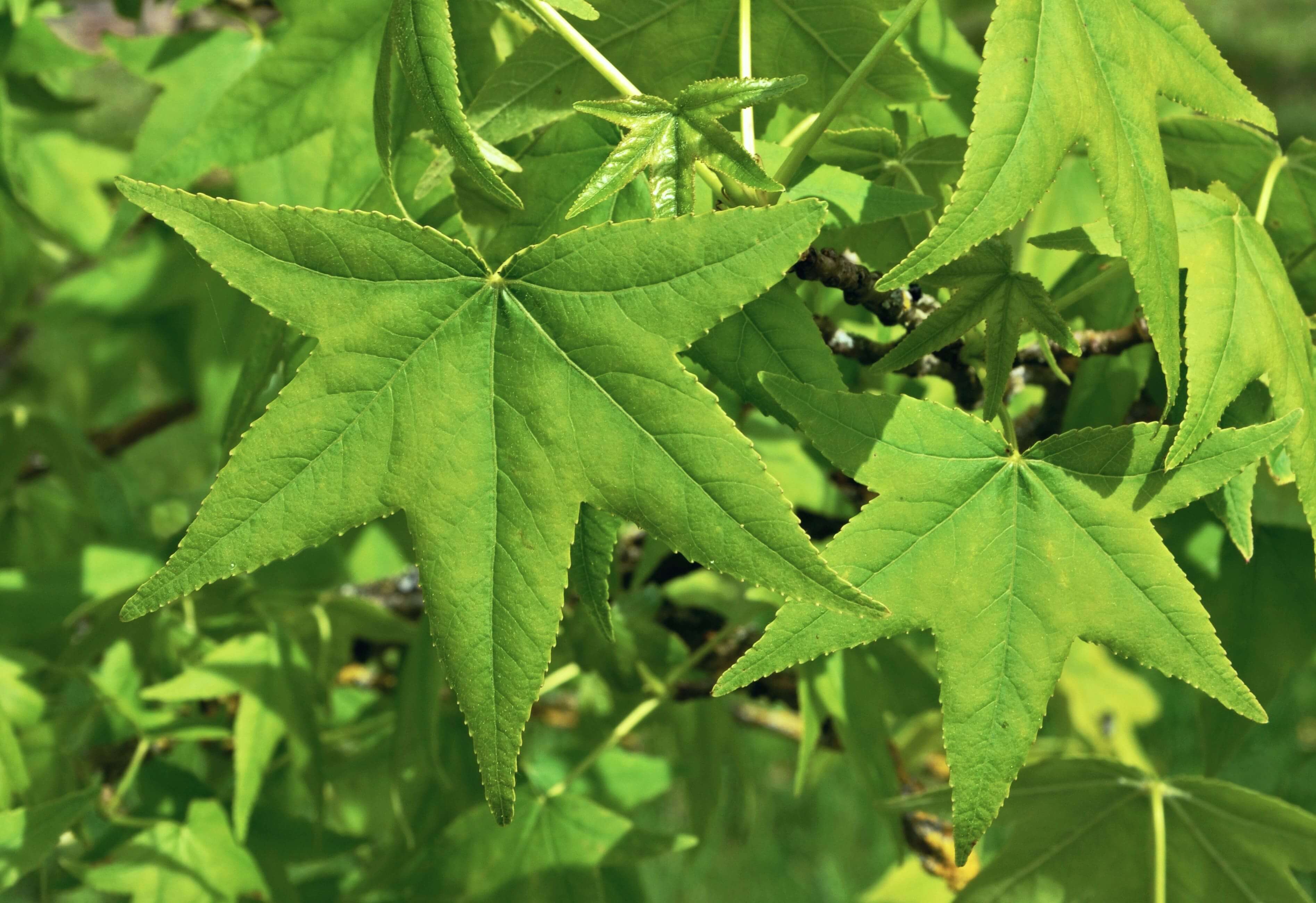
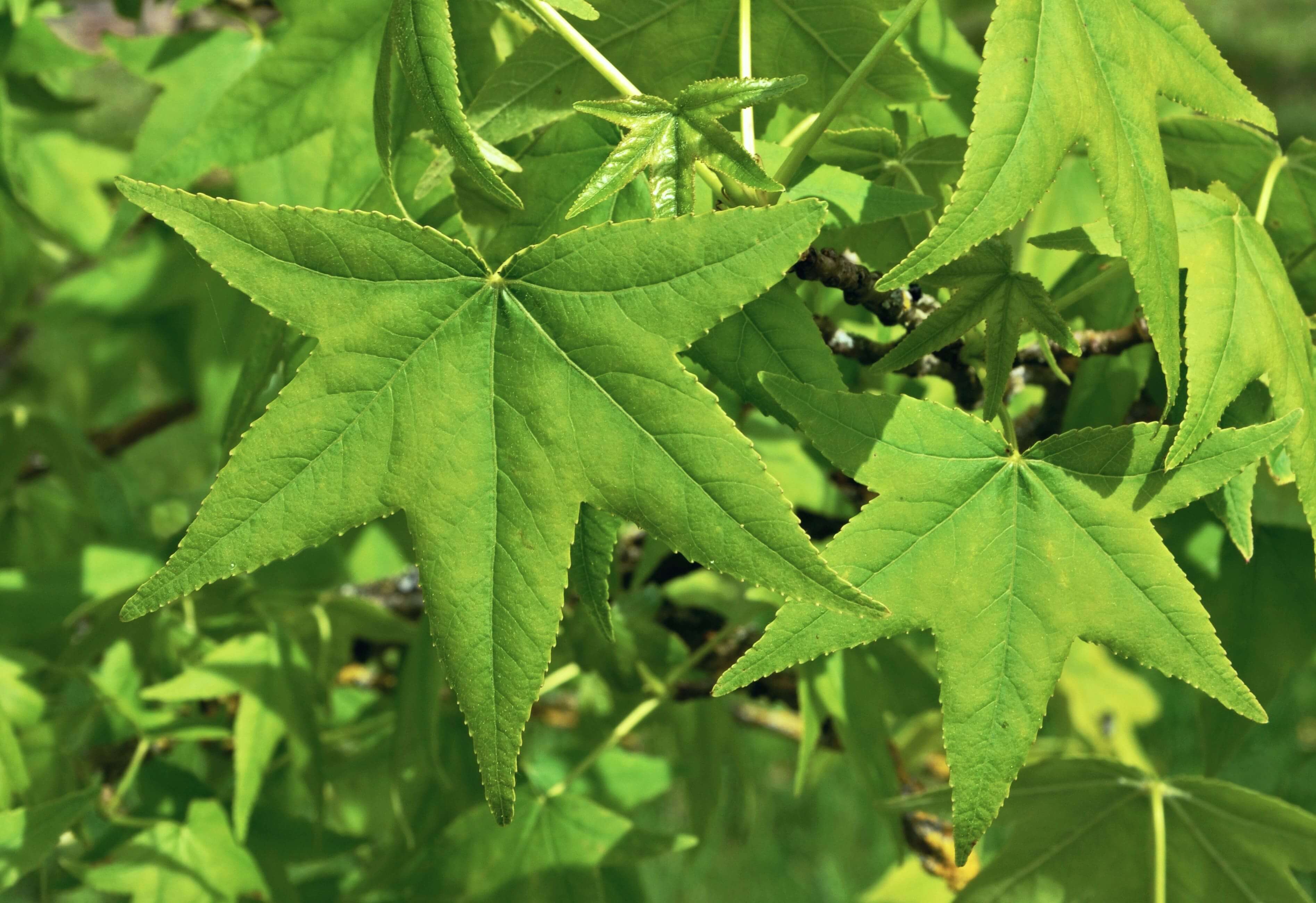
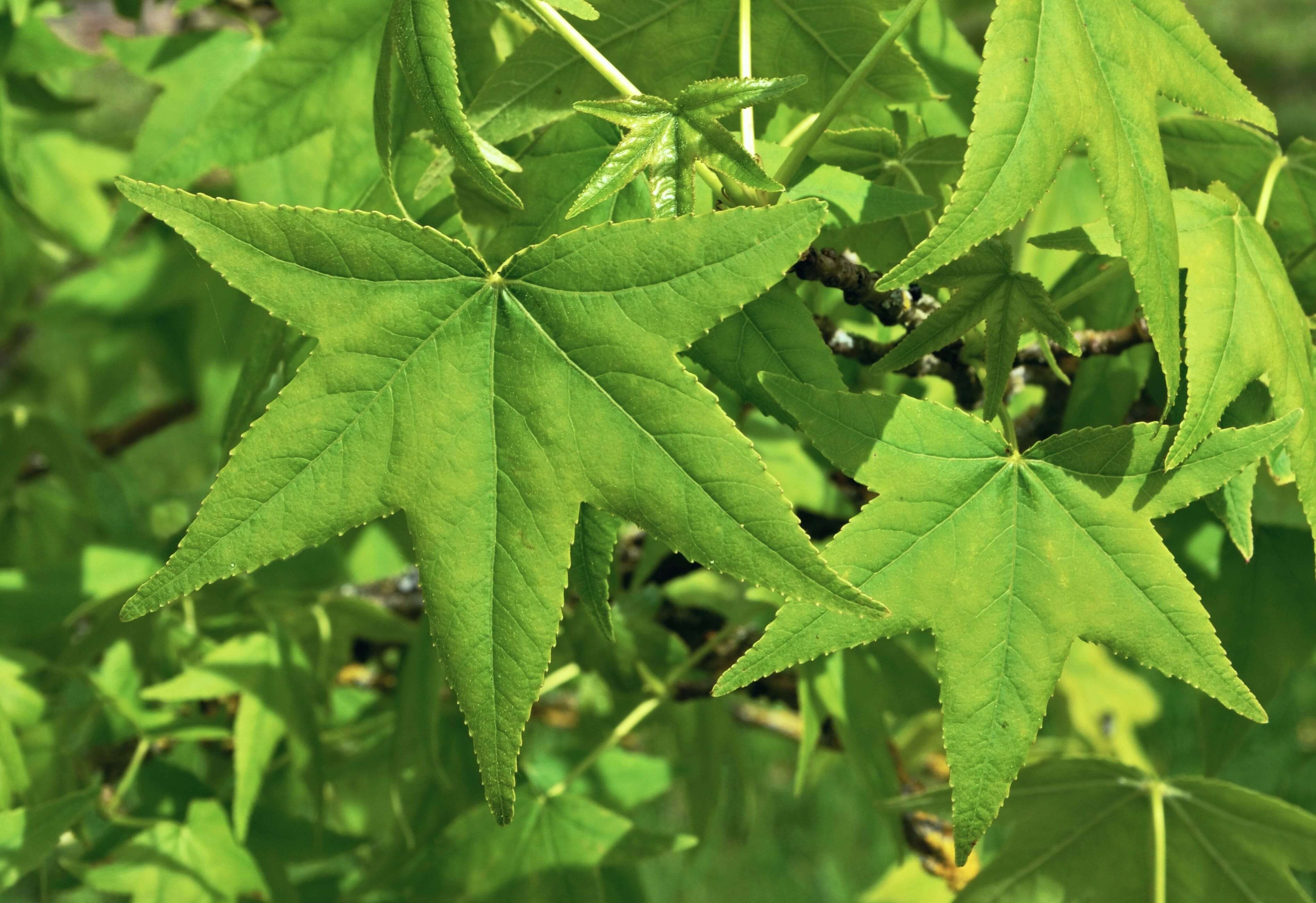
Styrax is a tree of the Hammamelidae family and the genus Liquidambar L.
Chemotypes :
The genus Liquidambar L. has two major species cultivated for perfumery:
Liquidambar styraciflua L. (present in Latin America, especially in Honduras) naturally exudes the resin. Its composition is richer in Beta-Caryophyllene.
Liquidambar orientalis Mill. (present in Turkey) must be hammered to exude the resin.
Two other species can be used in perfumery, but on a smaller scale:
Liquidambar formosana Hance, or Formosan sweetgum, from China.
Liquidambar acalycina H.T.Chang. , also from China (South of the country).
Extractions & Uses
Extraction process :
Styrax is a medium-sized tree that secretes a resin in its sapwood (the youngest part of a tree) and its bark.
The resin is naturally secreted by the trees but its secretion can be accelerated by an incision or voluntary hammering of the tree. After a month drying on the tree, the resin is collected to be extracted by steam distillation after filtration.
The drying hardens the resin, which turns brown due to oxidation. Once placed in the distillation tank, the steam distillation is done under pressure and the essential oil is collected at the end of the process, by decantation, with a rather high yield.
Styrax resinoid results from an extraction with alcohol and has more hold, is more ambered, balsamic and warm than the essential oil. There is also a CO2 extract of Styrax, which gives the extract a higher olfactory quality, but is more expensive.
The leaves of the tree can also be extracted, to obtain an essential oil whose composition is more volatile and smell is very terpenic.
From the same botanical variety
Uses in perfumery :
Used in fine fragrance for floral-hyacinth, tuberose, rose, carnation notes. Useful in amber, leather, chypre and spicy notes.
Stability :
Solubility issues in perfumes
Aromatic compounds can be chromophoric and cause a coloration of the oil, especially in alkaline bases
Major Components :
| Component | % min | % max |
|---|---|---|
| Styrene | 70 | |
| Alpha-pinene | 20 | |
| Beta-pinene | 4 | |
| Benzyl cinnamate | 2 | |
| Cinnamic alcohol | 2 | |
| D-Limonene | 1 | |
| Camphene | 1 |
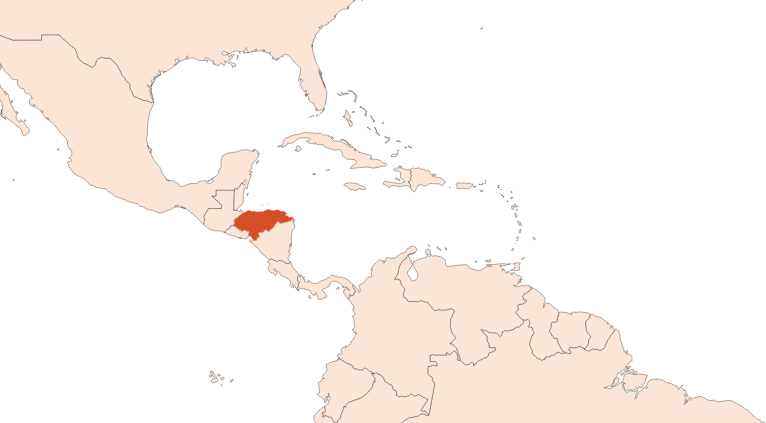
Photo credits: ScenTree SAS
Other comments :
The fragrant ambered resin secreted by the tree is intended to heal the bark in case of incision or natural injury. In ancient Egypt, Styrax was used for fumigations as an offering to the gods, as well as myrrh and khyphi.
Styrax is sometimes called storax, as it was in the old days.
Globally, Styrax EO Pyrogenated is used to bring a smoky woods aspect to leather compositions, Styrax EO for its white flowers facet and Styrax Resinoid for an animalic note.
The fragrant ambered resin secreted by the tree is intended to heal the bark in case of incision or natural injury. In ancient Egypt, Styrax was used for fumigations as an offering to the gods, as well as myrrh and khyphi.
Styrax is sometimes called storax, as it was in the old days.
Globally, Styrax EO Pyrogenated is used to bring a smoky woods aspect to leather compositions, Styrax EO for its white flowers facet and Styrax Resinoid for an animalic note.
Labelling
Allergens :
Cinnamyl Alcohol - Cinnamaldehyde - Benzyl Cinnamate
Signal word :
Warning
Hazard pictograms :
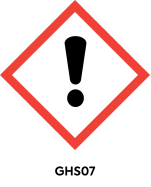
Precautionary statements :
| HAZARD | PRECAUTION |
|---|---|
| H317 May cause an allergic skin reaction.
H319 Causes serious eye irritation. |
P261 Avoid breathing dust/fume/gas/mist/vapours/spray. P264 Wash ... thoroughly after handling. P272 Contaminated work clothing should not be allowed out of the workplace. P280 Wear protective gloves/protective clothing/eye protection/face protection. P302 + P352 IF ON SKIN: Wash with plenty of water/… P305 + P351 + P338 IF IN EYES: Rinse cautiously with water for several minutes. Remove contact lenses, if present and easy to do. Continue rinsing. P321 Specific treatment (see ... on this label). P333 + P313 If skin irritation or rash occurs: Get medical advice/attention. P337 + P313 If eye irritation persists: Get medical advice/attention. P363 Wash contaminated clothing before reuse. P501 Dispose of contents/container to… |
IFRA
IFRA 51th :
This ingredient is restricted by the 51th amendment
-
Restriction type :
PROHIBITION_RESTRICTION_SPECIFICATION -
Cause of restriction :
DERMAL SENSITIZATION -
Amendment :
49
Quantitative limit on the use :
| Cat.1 | Cat.2 | Cat.3 | Cat.4 |
Cat.5
A
B
C
D
|
Cat.6 | |||
|---|---|---|---|---|---|---|---|---|
| 0,12 % | 0,034 % | 0,69 % | 0,64 % |
0,16 %
0,16 %
0,16 %
0,16 %
|
||||
|
Cat.5
A
B
C
D
|
Cat.6 | |||||||
|
0,16 %
0,16 %
0,16 %
0,16 %
|
0,38 % | |||||||
|
Cat.7
A
B
|
Cat.8 | Cat.9 |
Cat.10
A
B
|
Cat.11
A
B
|
Cat.12 | |||
|
1,3 %
1,3 %
|
0,068 % | 1,3 % |
4,5 %
4,5 %
|
2,5 %
2,5 %
|
||||
|
Cat.10
A
B
|
Cat.11
A
B
|
Cat.12 | ||||||
|
4,5 %
4,5 %
|
2,5 %
2,5 %
|
No Restriction | ||||||
Prohibited fragrance ingredients: notes
Crude gums of Liquidambar styraficula L. var. macrophylla or Liquidambar orientalis Mill. should not be used as fragrance ingredients for any finished product application.
Restricted ingredients: notes
Only extracts or distillates (resinoids, absolutes and oils), prepared from exudations of Liquidambar styraciflua L. var. macrophylla or Liquidambar orientalis Mill., can be used.
Specified ingredients: notes
Styrax oil can be obtained from solvent extraction or pyrolysis.
Styrax oil obtained through pyrolysis shall be rectified according to Good Manufacturing Practices (GMP) and the content of Polycyclic Aromatic Hydrocarbons (PAH) resulting from their use shall respect the following requirement:
Benzopyrene and 1,2-Benzanthracene are to be used as markers for PAH. If used alone or in combination with rectified Cade oil, rectified Birch tar oils or rectified Opoponax oil, the total concentration of both of the markers should not exceed 1 ppb in the final product.
Disclaimer :
ScenTree is solely responsible for the information provided here.
To learn more about IFRA's standards : https://ifrafragrance.org/safe-use/library