








Styrax dry-distilled pyrogenated (Honduras)
Balsamic Ambery > Balsamic > Burnt > Leather > Plastic
Liquidambar orientalis Mill.
Synonyms : Liquidambar imberbis Aiton // Liquidambar orientalis subsp. integriloba Fiori


| Company | Ingredient Name | Learn more | Naturality | Certifications | MOQ | Latin name | Treated part | Origin |
|---|---|---|---|---|---|---|---|---|
|
STYRAX EO PYROGENIC ST/SB
STEP-1
|
Discover | Naturel | 10 grs | - | - | - |
STEP-1


General Presentation
-
CAS N° :
8046-19-3 -
EINECS number :
305-627-6 -
FEMA number :
3037
-
Volatility :
Base -
Price Range :
€€€€€
Physico-chemical properties
-
Appearance :
Viscous amber liquid -
Density :
-
Refractive Index @20°C :
Donnée indisponible. -
Optical rotation :
-
Vapor pressure :
Donnée indisponible. -
Flash Point :
Donnée indisponible. -
Acid Value :
Botanical informations
Botanical name :
Liquidambar orientalis Mill.
Synonyms : Liquidambar imberbis Aiton // Liquidambar orientalis subsp. integriloba Fiori
Botanical profile :
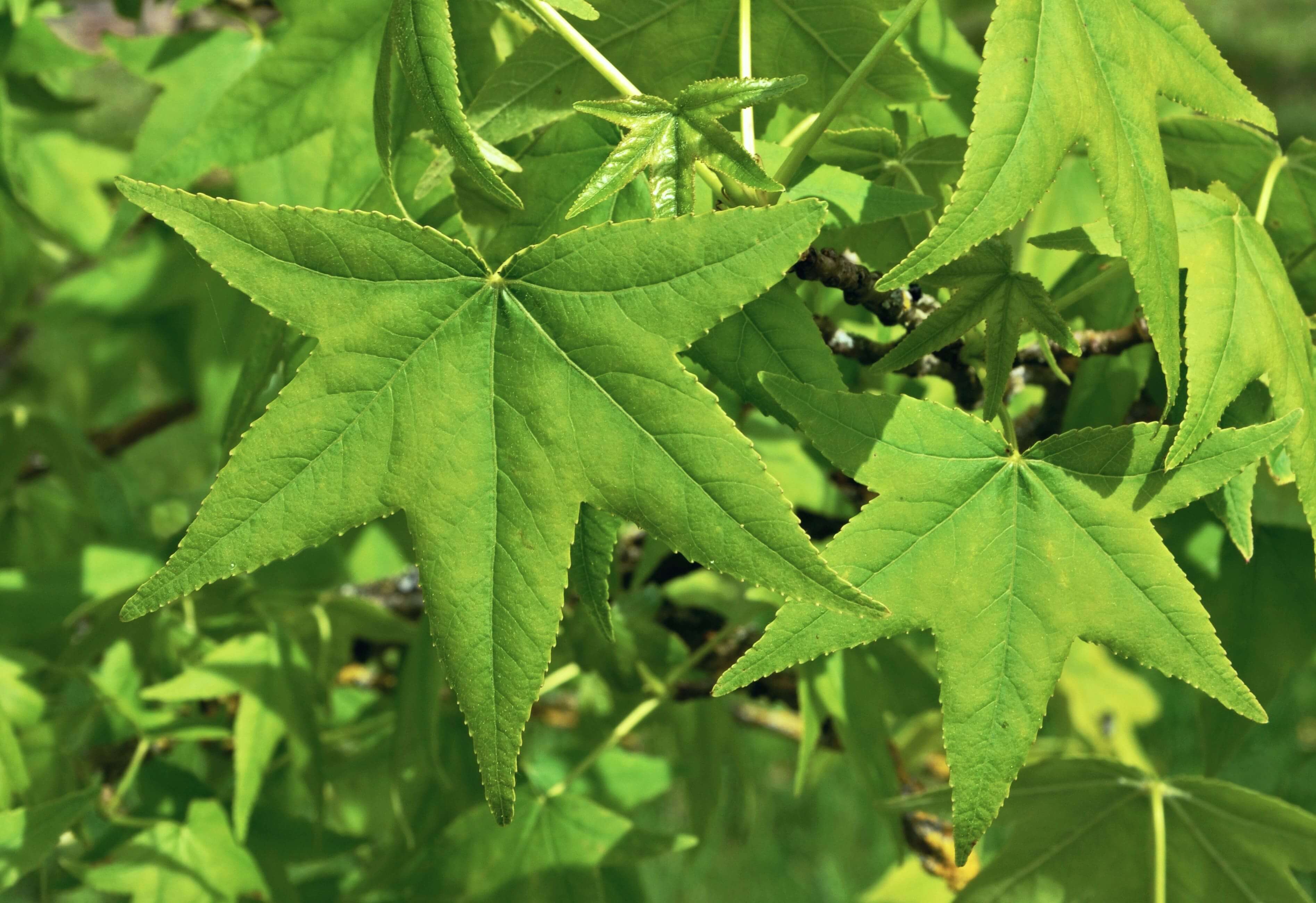
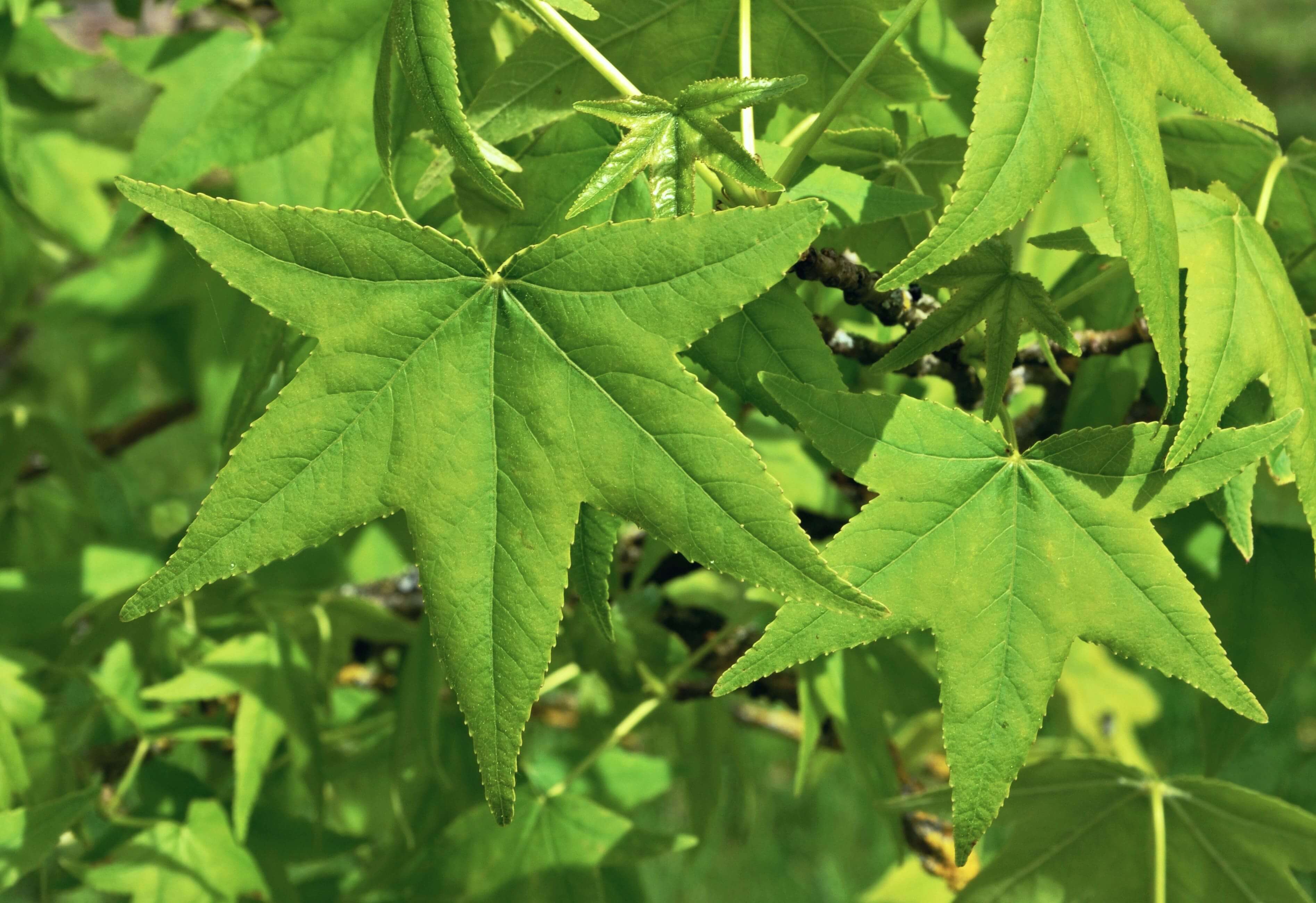
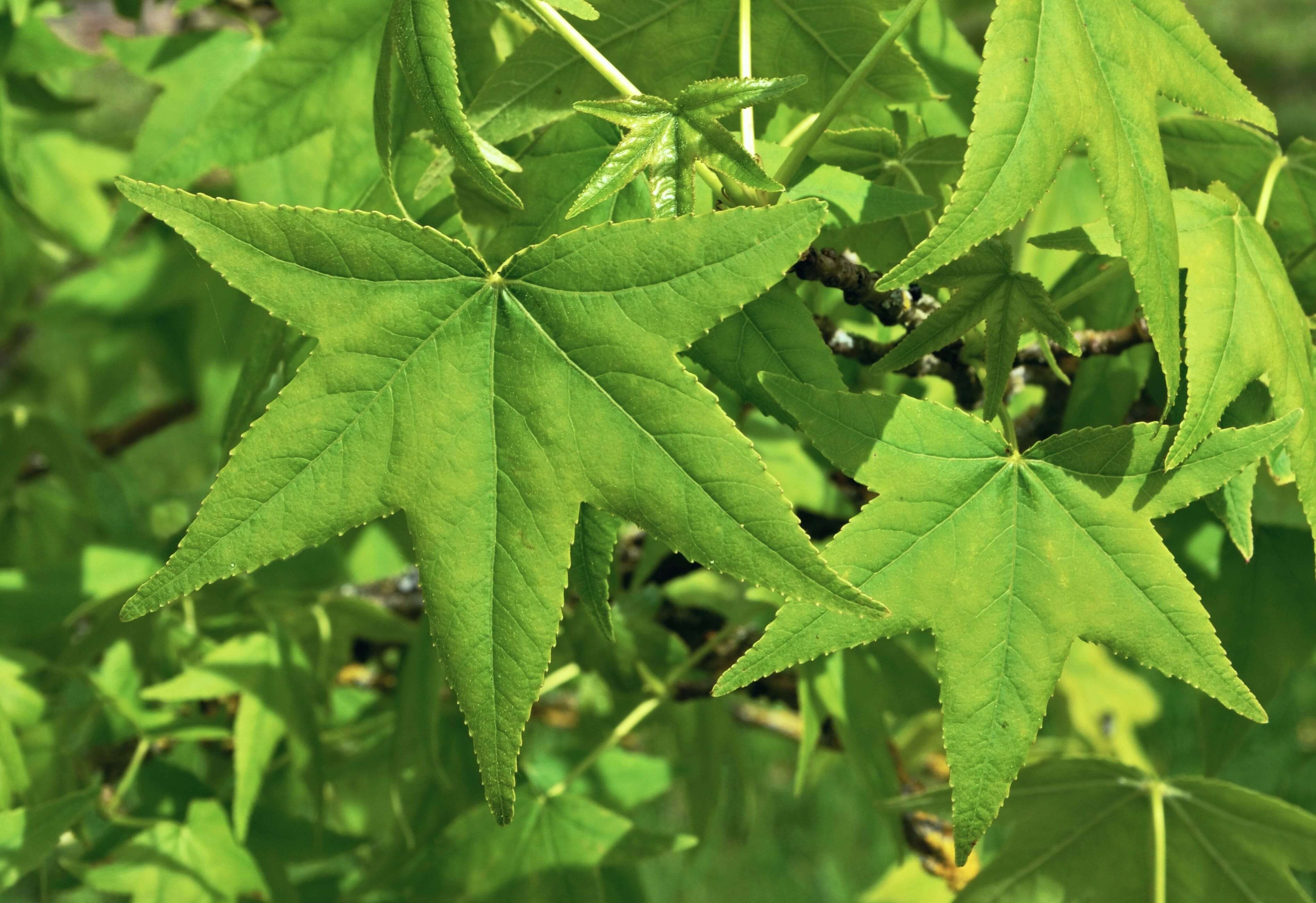
Styrax is a tree of the Hammamelidae family and the genus Liquidambar L.
Chemotypes :
The genus Liquidambar L. has two major species cultivated for perfumery:
Liquidambar styraciflua L. (present in Latin America, especially in Honduras) naturally exudes the resin. Its composition is richer in Beta-Caryophyllene.
Liquidambar orientalis Mill. (present in Turkey) must be hammered to exude the resin.
Two other species can be used in perfumery, but on a smaller scale:
Liquidambar formosana Hance, or Formosan sweetgum, from China.
Liquidambar acalycina H.T.Chang. , also from China (South of the country).
Extractions & Uses
Extraction process :
Styrax is a medium-sized tree that secretes a resin in its sapwood (the youngest part of a tree) and its bark.
The resin is naturally secreted by the trees but its secretion can be accelerated by an incision or voluntary hammering of the tree. After a month drying on the tree, the resin is collected to be extracted by steam distillation after filtration.
The drying hardens the resin, which turns brown due to oxidation. To obtain Styrax EO Pyrogenated, the process is globally the same as for Birch Rectified EO or Cade EO. The resin is placed in an oven and heated at a very high temperature (around 800°C). The resin sweats. Vapors are condensed in a condensor to get only a sort of tar. This very pasty substance contains carcinogenic copounds and need to be rectified. Thank to a low pressure distillation, the color of the oil is partially taken away and carcinogenic compounds are removed to get the resulting EO pyrogenated.
Styrax EO is obtaines thanks to a classic steam distillation and Styrax Resinoid is the result of an extraction with organic solvents. There is also a CO2 extract of Styrax, which gives it a higher olfactory quality, but is more expensive.
The leaves of the tree can also be extracted, to obtain an essential oil whose composition is more volatile and smell is very terpenic.
From the same botanical variety
Uses in perfumery :
Pyrogenated styrax is used in fine fragrance for leather accords, to be included in the typical scheme of some oriental and chypre perfumes, and for white flowers accords. It brings a more pyrogenic and leathery note than other styrax extracts.
Stability :
Solubility issues in perfumes
Aromatic compounds can be chromophoric and cause a coloration of the oil, especially in alkaline bases
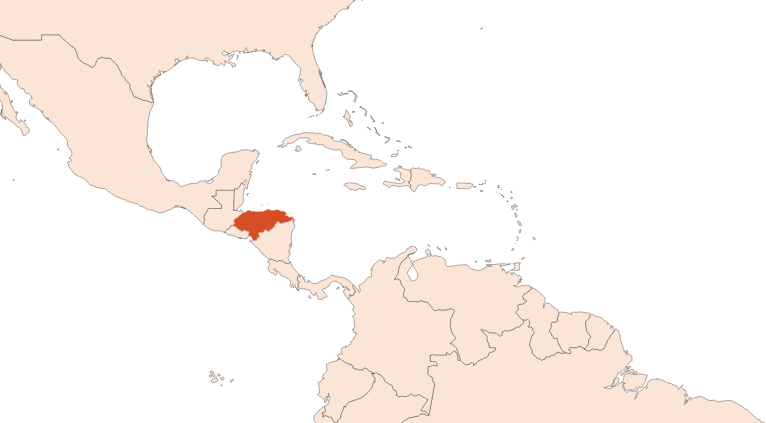
Photo credits: ScenTree SAS
Other comments :
The fragrant ambered resin secreted by the tree is intended to heal the bark in case of incision or natural injury. In ancient Egypt, Styrax was used for fumigations as an offering to the gods, as well as myrrh and khyphi.
Styrax is sometimes called storax, as it was in the old days.
Globally, Styrax EO Pyrogenated is used to bring a smoky woods aspect to leather compositions, Styrax EO for its white flowers facet and Styrax Resinoid for an animalic note.
Globally, Styrax EO Pyrogenated is used to bring a smoky woods aspect to leather compositions, Styrax EO for its white flowers facet and Styrax Resinoid for an animalic note.
The fragrant ambered resin secreted by the tree is intended to heal the bark in case of incision or natural injury. In ancient Egypt, Styrax was used for fumigations as an offering to the gods, as well as myrrh and khyphi.
Styrax is sometimes called storax, as it was in the old days.
Labelling
Allergens :
Cinnamyl Alcohol - Cinnamaldehyde - Benzyl Cinnamate
Signal word :
Danger
Hazard pictograms :
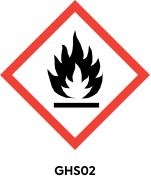
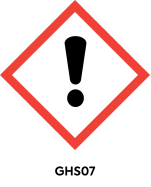
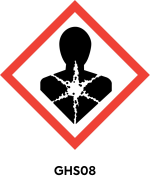
Precautionary statements :
| HAZARD | PRECAUTION |
|---|---|
| H226 Flammable liquid and vapour.
H304 May be fatal if swallowed and enters airways. H317 May cause an allergic skin reaction. H319 Causes serious eye irritation. H340 May cause genetic defects. H350 May cause cancer. H361 Suspected of damaging fertility or the unborn child. H373 May cause damage to organs. |
P201 Obtain special instructions before use. P202 Do not handle until all safety precautions have been read and understood. P210 Keep away from heat, hot surfaces, sparks, open flames and other ignition sources. No smoking. P233 Keep container tightly closed. P240 Ground and bond container and receiving equipment. P241 Use explosion-proof [electrical/ventilating/lighting/…] equipment. P242 Use non-sparking tools. P243 Take action to prevent static discharges. P260 Do not breathe dust/fume/gas/mist/vapours/spray. P261 Avoid breathing dust/fume/gas/mist/vapours/spray. P264 Wash ... thoroughly after handling. P272 Contaminated work clothing should not be allowed out of the workplace. P280 Wear protective gloves/protective clothing/eye protection/face protection. P281 Use personal protective equipment as required. P301 + P310 IF SWALLOWED: Immediately call a POISON CENTER/doctor/… P302 + P352 IF ON SKIN: Wash with plenty of water/… P303 + P361 + P353 IF ON SKIN (or hair): Take off immediately all contaminated clothing. Rinse skin with water [or shower]. P305 + P351 + P338 IF IN EYES: Rinse cautiously with water for several minutes. Remove contact lenses, if present and easy to do. Continue rinsing. P308 + P313 IF exposed or concerned: Get medical advice/attention. P314 Get medical advice/attention if you feel unwell. P321 Specific treatment (see ... on this label). P331 Do NOT induce vomiting. P333 + P313 If skin irritation or rash occurs: Get medical advice/attention. P337 + P313 If eye irritation persists: Get medical advice/attention. P363 Wash contaminated clothing before reuse. P370 + P378 In case of fire: Use… to extinguish. P403 + P235 Store in a well-ventilated place. Keep cool. P405 Store locked up. P501 Dispose of contents/container to… |
IFRA
IFRA 51th :
This ingredient is restricted by the 51th amendment
-
Restriction type :
PROHIBITION_RESTRICTION_SPECIFICATION -
Cause of restriction :
DERMAL SENSITIZATION -
Amendment :
49
Quantitative limit on the use :
| Cat.1 | Cat.2 | Cat.3 | Cat.4 |
Cat.5
A
B
C
D
|
Cat.6 | |||
|---|---|---|---|---|---|---|---|---|
| 0,12 % | 0,034 % | 0,69 % | 0,64 % |
0,16 %
0,16 %
0,16 %
0,16 %
|
||||
|
Cat.5
A
B
C
D
|
Cat.6 | |||||||
|
0,16 %
0,16 %
0,16 %
0,16 %
|
0,38 % | |||||||
|
Cat.7
A
B
|
Cat.8 | Cat.9 |
Cat.10
A
B
|
Cat.11
A
B
|
Cat.12 | |||
|
1,3 %
1,3 %
|
0,068 % | 1,3 % |
4,5 %
4,5 %
|
2,5 %
2,5 %
|
||||
|
Cat.10
A
B
|
Cat.11
A
B
|
Cat.12 | ||||||
|
4,5 %
4,5 %
|
2,5 %
2,5 %
|
No Restriction | ||||||
Prohibited fragrance ingredients: notes
Crude gums of Liquidambar styraficula L. var. macrophylla or Liquidambar orientalis Mill. should not be used as fragrance ingredients for any finished product application.
Restricted ingredients: notes
Only extracts or distillates (resinoids, absolutes and oils), prepared from exudations of Liquidambar styraciflua L. var. macrophylla or Liquidambar orientalis Mill., can be used.
Specified ingredients: notes
Styrax oil can be obtained from solvent extraction or pyrolysis.
Styrax oil obtained through pyrolysis shall be rectified according to Good Manufacturing Practices (GMP) and the content of Polycyclic Aromatic Hydrocarbons (PAH) resulting from their use shall respect the following requirement:
Benzopyrene and 1,2-Benzanthracene are to be used as markers for PAH. If used alone or in combination with rectified Cade oil, rectified Birch tar oils or rectified Opoponax oil, the total concentration of both of the markers should not exceed 1 ppb in the final product.
Disclaimer :
ScenTree is solely responsible for the information provided here.
To learn more about IFRA's standards : https://ifrafragrance.org/safe-use/library