





Patchouli oil
Undergrowth > Earthy > Mossy > Smoky Woods
Pogostemon cablin (Blanco) Benth.
Synonyms : Mentha cablin Blanco // Pogostemon patchouly Pellet.


| Company | Ingredient Name | Learn more | Naturality | Certifications | MOQ | Latin name | Treated part | Origin |
|---|---|---|---|---|---|---|---|---|

|
Patchouli Oil Sulawesi Dark Min 30 PA Acid < 5
PL-105
|
Discover | Natural |


|
800 Kgs | Pogostemon cablin | Leaves | Indonesia |
|
|
Patchouli Oil Sulawesi Iron Free Min 30 PA
PL-203
|
Discover | Natural |
|
800 Kgs | Pogostemon cablin | Leaves | Indonesia |
|
|
Patchouli Oil Sumatra M.D. Min 32 PA
PL-301
|
Discover | Natural |
|
800 Kgs | Pogostemon cablin | Leaves | Indonesia |
|
|
Patchouli Oil Sulawesi Dark Min 28 PA Acid < 15
PL-109
|
Discover | Natural |
|
800 Kgs | Pogostemon cablin | Leaves | Indonesia |
|
|
Patchouli Oil Sumatra Iron Free Min 32 PA
PL-201
|
Discover | Natural |
|
800 Kgs | Pogostemon cablin | Leaves | Indonesia |
|
|
Patchouli Oil Heart 65 PA
PL-305
|
Discover | Natural |
|
800 Kgs | Pogostemon cablin | Leaves | Indonesia |
|
|
Patchouli Oil Sulawesi Dark Min 29 PA Acid < 15
PL-107
|
Discover | Natural |
|
800 Kgs | Pogostemon cablin | Leaves | Indonesia |
|
|
Patchouli Oil Sumatra M.D. Min 30 PA
PL-302
|
Discover | Natural |
|
800 Kgs | Pogostemon cablin | Leaves | Indonesia |
|
|
Patchouli Oil Sumatra M.D. Min 34 PA
PL-304
|
Discover | Natural |
|
800 Kgs | Pogostemon cablin | Leaves | Indonesia |
|
|
Patchouli Oil Sulawesi M.D. Min 30 PA
PL-303
|
Discover | Natural |
|
800 Kgs | Pogostemon cablin | Leaves | Indonesia |
|
|
Patchouli Terpenes
PL-501
|
Discover | Natural |
|
800 Kgs | Pogostemon cablin | Patchouli Oil | Indonesia |
|
|
Patchouli Oil Sumatra Dark Min 30 PA
PL-103
|
Discover | Natural |
|
800 Kgs | Pogostemon cablin | Leaves | Indonesia |
|
|
Patchouli Oil Sumatra Dark Premium Min 34 PA
PL-101
|
Discover | Natural |
|
800 Kgs | Pogostemon cablin | Leaves | Indonesia |
|
|
Patchouli Oil Sumatra Iron Free Min 30 PA
PL-202
|
Discover | Natural |
|
800 Kgs | Pogostemon cablin | Leaves | Indonesia |
|
|
Patchouli Oil Sumatra Dark Min 32 PA
PL-102
|
Discover | Natural |
|
800 Kgs | Pogostemon cablin | Leaves | Indonesia |
|
|
Patchouli Oil Sulawesi Dark Min 30 PA Acid < 8
PL-104
|
Discover | Natural |
|
800 Kgs | Pogostemon cablin | Leaves | Indonesia |
|
|
Patchouli Oil Sulawesi Dark Min 29 PA Acid < 8
PL-106
|
Discover | Natural |
|
800 Kgs | Pogostemon cablin | Leaves | Indonesia |
|
PATCHOULI
N721F
|
Discover | Huile essentielle |

|
- | Pogostemon cablin (Blanco) Benth. | Feuille | Madagascar |
|
|
PATCHOULI
B721F
|
Discover | Huile essentielle |
|
- | Pogostemon cablin (Blanco) Benth. | Feuille | Madagascar |
|
|
PATCHOULI
B722
|
Discover | Huile essentielle |
|
- | Pogostemon cablin (Blanco) Benth. | Feuille | Sri-Lanka |

|
Patchouli Oil Light - Iron Free PA 28 | Discover | Natural |
|
- | Pogostemon cablin | Leaves | Indonesia |
|
|
Patchouli Oil Light - Iron Free PA 30 | Discover | Natural |
|
- | Pogostemon cablin | Leaves | Indonesia |
|
|
Patchouli Oil MD | Discover | Natural |
|
- | Pogostemon cablin | Patchouli Oil | Indonesia |
|
|
Patchouli Oil MD - Iron Free | Discover | Natural |
|
- | Pogostemon cablin | Patchouli Oil | Indonesia |
|
|
Patchouli Oil Dark PA 28 | Discover | Natural |
|
- | Pogostemon cablin | Leaves | Indonesia |
|
|
Patchouli Oil Dark PA 30 | Discover | Natural |
|
- | Pogostemon cablin | Leaves | Indonesia |
|
|
Patchouli Oil Pa 65% | Discover | Natural |
|
- | Pogostemon cablin | Patchouli Oil | Indonesia |
|
|
Patchouli Terpenes | Discover | Natural |
|
- | Pogostemon cablin | Patchouli Oil | Indonesia |
|
|
PATCHOULI
720
|
Discover | Huile essentielle | - | Pogostemon cablin (Blanco) Benth. | Feuille | Indonésie | |
|
|
PATCHOULI DM
P83344009000
|
Discover | Huile essentielle | - | Pogostemon cablin (Blanco) Benth. | Feuille | Indonésie | |

|
PATCHOULI LIGHT OIL
PATL-4
|
Discover | Naturel | 10 grs | - | - | - | |

|
PATCHOULI HEART SFE
970929
|
Discover | Naturals | - | POGOSTEMON CABLIN | - | - | |
|
|
PATCHOULI INDONESIA EO CERT
970920
|
Discover | Naturals | - | POGOSTEMON CABLIN | - | - | |
|
|
PATCHOULI INDONESIA EO MD
970950
|
Discover | Naturals | - | POGOSTEMON CABLIN | - | - | |

|
Huile essentielle de Patchouli - 30 gr | Discover | - | 30grs | - | - | - | |

|
PATCHOULI Rectified Essential Oil - Gayo Indonesia
M_0067335
|
Discover | Naturel | - | - | - | - | |
|
|
PATCHOULI Rectified Essential Oil (MD)
M_0020119
|
Discover | Naturel | - | - | - | - | |
|
|
PATCHOULI Rectified Essential Oil (Patchoulol 55)
M_0055046
|
Discover | Naturel | - | - | - | - | |

|
PATCHOULI EO
4410000045
|
Discover | Naturel | - | - | - | - | |

|
Heart of Patchouli | Discover | Speciality | - | Pogostemon cablin Benth | - | - | |
|
|
Patchouli Oil Indonesian Dark | Discover | Essential Oil | - | Pogostemon cablin (patchouli) | - | - | |
|
|
Patchouli Oil Indonesian Light | Discover | Essential Oil | - | Pogostemon cablin (patchouli) | - | - | |

|
Patchouli Oil | Discover | Essential Oils | - | - | - | - | |
|
|
Patchouli Oil Light | Discover | Essential Oils | - | - | - | - | |
|
|
Patchouli Oil MD | Discover | Essential Oils | - | - | - | - |
PL-105

PL-203
PL-301
PL-109
PL-201
PL-305
PL-107
PL-302
PL-304
PL-303
PL-501
PL-103
PL-101
PL-202
PL-102
PL-104
PL-106
N721F
B721F
B722
720
P83344009000
PATL-4
970929
970920
970950
M_0067335
M_0020119
M_0055046
4410000045

General Presentation
-
CAS N° :
84238-39-1 // 8014-09-3 -
EINECS number :
282-493-4 -
FEMA number :
Donnée indisponible.
-
Volatility :
Base -
Price Range :
€€€
Physico-chemical properties
-
Appearance :
Brown liquid -
Density :
0,952 - 0,975 @20°C -
Refractive Index @20°C :
1,505 - 1,515 @20°C -
Optical rotation :
-60° // -40° -
Vapor pressure :
Donnée indisponible. -
Flash Point :
Donnée indisponible. -
Acid Value :
Max 4
Botanical informations
Botanical name :
Pogostemon cablin (Blanco) Benth.
Synonyms : Mentha cablin Blanco // Pogostemon patchouly Pellet.
Botanical profile :
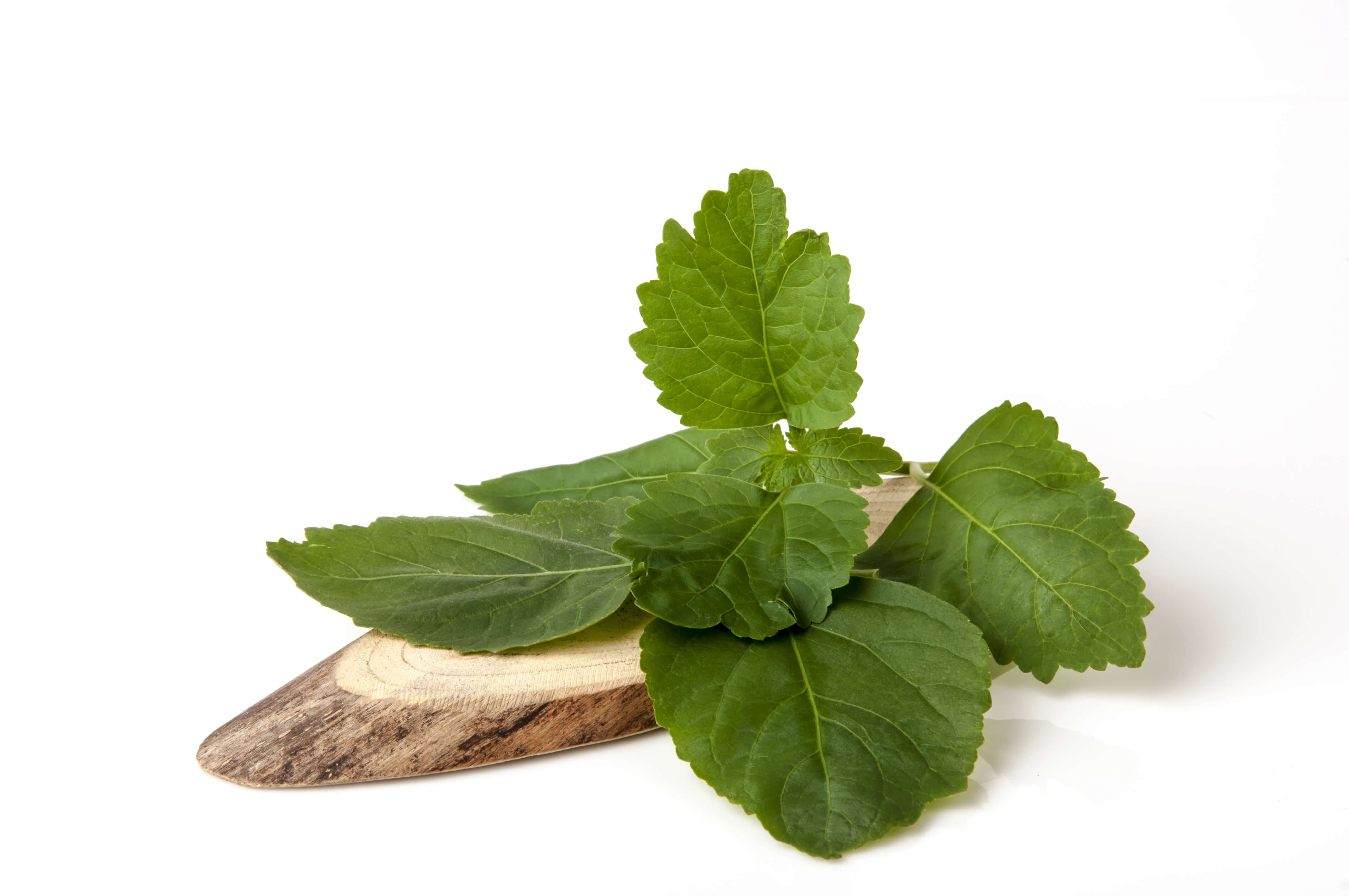
Patchouli is a leafy plant belonging to the Lamiaceae family and the genus Pogostemon Desf.
The Lamiaceae family is the most important in perfumery, notably including lavenders, basils, mints, sages, rosemaries, patchoulis, and thymes.
Chemotypes :
The genus Pogostemon Desf. is composed by 35 species.
The patchouli used in perfumery is Pogostemon cablin (Blanco) Benth.
There is however a "false patchouli", the Pogostemon heyneanus Benth.. This patchouli is also grown in Indonesia and is often marketed as "Java Patchouli" or "Sumatra Patchouli". Unlike Pogostemon cablin (Blanco) Benth. , it blooms and its essential oil has a lower quality.
Extractions & Uses
Extraction process :
Plants are propagated by cutting because patchouli does not produce flowers and even fewer fruits. Plants are then arranged into rows, separated by a few tens of centimetres. The main harvest takes place during the wet season, from December to January, after 5 to 9 months of growth, early in the morning or late in the evening (this avoids the heat and thus the evaporation of the essential oil contained in the leaves). Leaves are picked one by one, without the stems. The subsequent harvests can take place every 3 to 6 months for 2 to 3 years. First cuts are generally more interesting from an olfactory and a yield point of view. Patchouli grows better at elevations of between 200 – 300 metres above sea level. Initially patchouli was grown in Sulawesi at sea level but growing at higher elevations improved patchouli quality with a higher PA and lower acidic value.
In order to get the most oil from the leaves, they are dried in the shade for about 1 week, turned over and then stored in a dry place (this increases the permeability of the leaves and allows to release a large part of the essential oil contained in the leaf itself). This step induces a loss of about 80 to 85% of the initial weight of the leaf. Similarly, the longer the drying process, the higher the quality of the essential oil. However, this waiting time reduces the yield.
After drying, leaves are ready to be extracted by steam distillation under pressure for 6 to 24 hours. Again, several types of distillation can take place. Differences mainly regarding the nature of the extraction tank. Indeed, in the poorest regions (Sumatra for example) tanks are made of iron and the volumes treated are very small. Iron is not optimal for patchouli because it is then found in the essential oil (Phenols contained in the EO react and form ferrous ions) and brings nothing more than instability (coloration). Products extracted by this way (approximately 10-20% of the world production) must then undergo a process known as "de-ironation" (treatment with citric acid, for example) in order to recover an interesting quality. This is known as "Patchouli de-ironed". For several years now, producers, supported by the perfume industry, have been able to develop their production techniques and are now able to distillate more than 80% of the world's production in stainless steel vats capable of holding almost 10x the volume. These innovations have made it possible to gradually eliminate the iron removal stage. This is known as "Patchouli light".
Regardless of the distillation method used, the yield between the dry leaves and the essential oil is below 2%.
Once distillation has been carried out, the EO undergoes a maturation stage of a few days in order to evaporate the first top notes considered as unpleasant (sulfuric notes).
It should also be noted that it is possible to obtain "Patchouli Heart" after fractional distillation. In the latter, only the central fraction of the essential oil is kept. Top and bottom fractions are removed. It is also possible to obtain "Patchouli DM" by molecular distillation. Finally, an extraction with volatile solvents is also possible, making it possible to obtain Patchouli Absolute. This process is however very rarely carried out because it is generally not appreciated by perfumers.
Uses in perfumery :
Patchouli is, after citrus, one of the most widely used natural raw materials in perfumery since the beginning of the 20th century. With a rich history, this ingredient is used in the composition of many perfume schemes and families such as woody, oriental and chypre fragrances (with Bergamot EO, Cistus EO, Cistus Labdanum Absolute Green and Oak Moss Absolute).
Initially used as an anti-mosquito during long sea crossings, the scent of patchouli conquered Europe at the beginning of the 20th century. At that time, powerful, animalic and scents with character were very popular. This was the beginning of the appetite for patchouli. Present in Chypre by Coty (1917), in Mitsouko by Guerlain (1919). Years passed and trends changed, in the middle of the 20th century, colognes and floral bouquets appeared and put patchouli in the background. The latter became associated with decadent women and prostitutes; it is a period of major decline for patchouli.
In the early 60s and 70s, hippie movement took hold and, with it, patchouli came back to the forefront and even became the main ingredient of many iconic fragrances: Patchouli by Réminiscence (1970) - Aromatics Elixir by Clinique (1972) for example. This comeback would continue into the 90s with fragrances like Angel by Thierry Mugler (1992) and Yvresse by YSL (1993). Nowadays, patchouli is more discreet, it's rare to find big launches highlighting patchouli. Yet, it is still present in the perfumers' palette and is still used a lot to bring woody freshness, to give a dead-leaf, mossy effect, but also to support other woods and give them volume and tenacity. It is therefore today a "secondary" material in formulas, but the main one because of its rich history and its many uses over the last two centuries. Note that some niche brands have fragrances built around patchouli, like Patchouli Impérial by Dior (2011) and Patchouli Patch by l'Artisan Parfumeur (2002).
Stability :
Quite unstable. Can form various compounds changing its smell through time in an alcoholic base
The terpenes identified in this raw material can polymerize when they are oxidized
Major Components :
| Component | % min | % max |
|---|---|---|
| Patchoulol | 27 | 35 |
| Bulnésène | 13 | 21 |
| Alpha-guaiene | 11 | 16 |
| Alpha-patchoulene | 9 | 12 |
| Beta-caryophyllene | 2 | 5 |
| Beta-patchoulene | 1.80 | 3.50 |
| Pogostol | 1 | 2.50 |
| Copaène | 1 | |
| nor-patchoulenol | 0.35 | 1 |
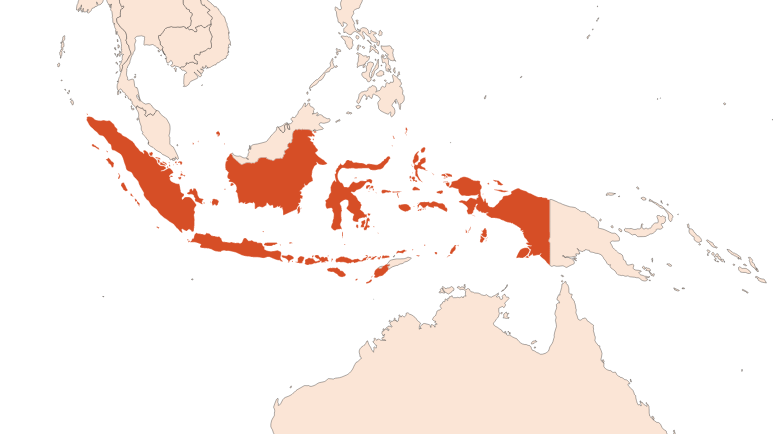
Photo credits: ScenTree SAS
Other comments :
The Latin name of patchouli is derived from the name "kablin", in tagalog (Philippine language).
In Indonesia, the grass is called "dilem wangi" for "cultivated patchouli" because it blooms very rarely and is propagated by cuttings.
Many patchouli cultures are involved in organic production. This is a major challenge for the quality of a patchouli culture.
The characteristic smell of patchouli is due to the presence of nor-patchoulenol, which has a much more powerful smell than patchoulol.
An adulteration of the essential oil of patchouli can be made using the essential oil of "false patchouli", from the specie Pogostemon heyneanus. This oil is less expensive and its quality is much lower.
Patchouli cultivation sites are very dependent on climatic conditions. A tsunami ravaged the islands of Java and Sumatra and the culture was moved to Sulawesi.
The Latin name of patchouli is derived from the name "kablin", in tagalog (Philippine language).
In Indonesia, the grass is called "dilem wangi" for "cultivated patchouli" because it blooms very rarely and is propagated by cuttings.
Many patchouli cultures are involved in organic production. This is a major challenge for the quality of a patchouli culture.
The characteristic smell of patchouli is due to the presence of nor-patchoulenol, which has a much more powerful smell than patchoulol.
An adulteration of the essential oil of patchouli can be made using the essential oil of "false patchouli", from the specie Pogostemon heyneanus. This oil is less expensive and its quality is much lower.
Patchouli cultivation sites are very dependent on climatic conditions. A tsunami ravaged the islands of Java and Sumatra and the culture was moved to Sulawesi.
Labelling
Allergens :
This ingredient is classified as an allergen under European Regulation 2023/1545, dated August 26, 2023.
Its presence must therefore be declared on product labels when it exceeds 0.001% in leave-on products and 0.01% in rinse-off products.
Signal word :
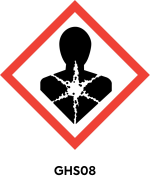
Danger
Hazard pictograms :
Precautionary statements :
| HAZARD | PRECAUTION |
|---|---|
| H304 May be fatal if swallowed and enters airways. |
IFRA
IFRA 51th :
This ingredient is not restricted for the 51th amendment