










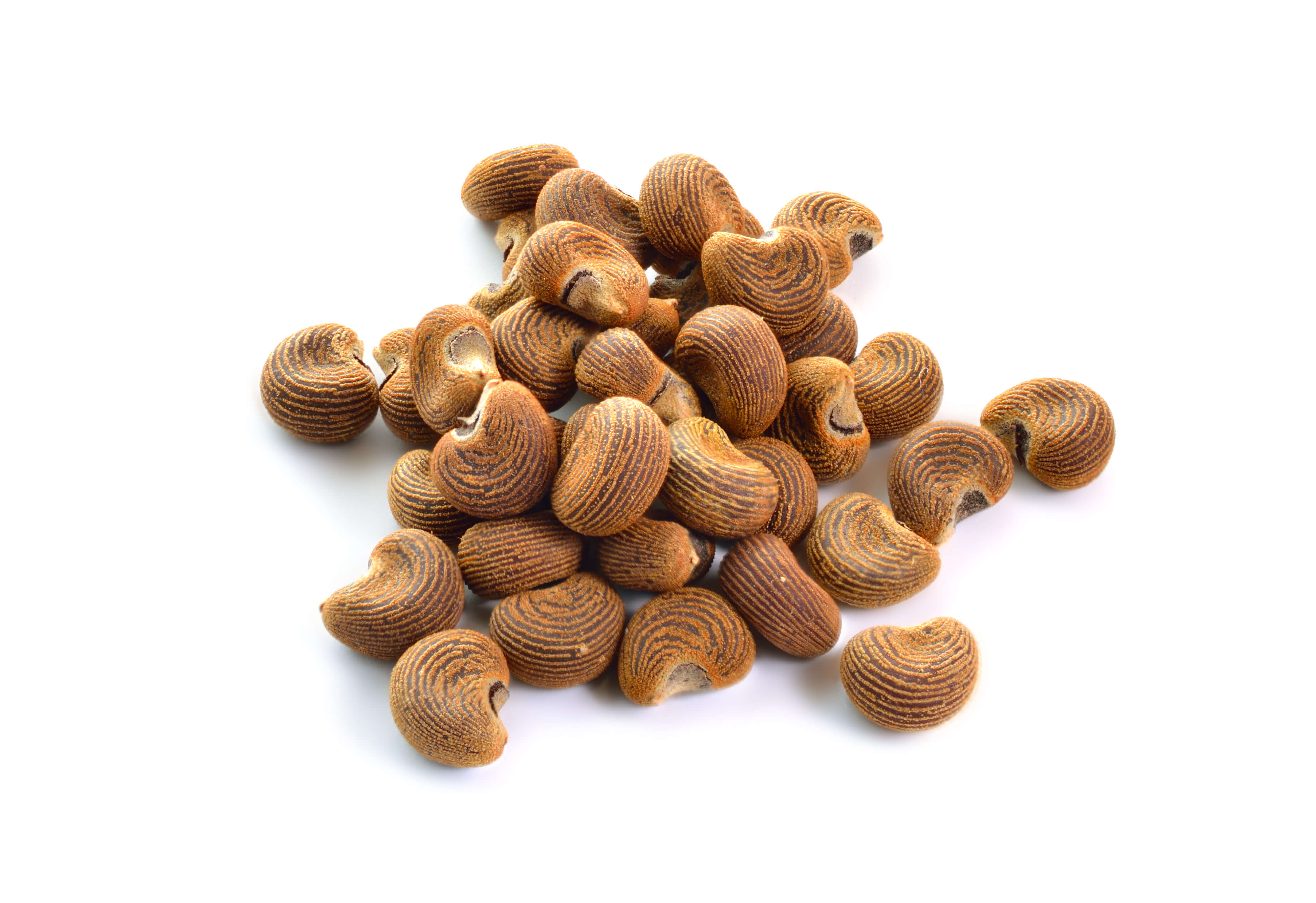
Ambrette seed absolute
Woody > Dry Woods > Orris Root > Earthy > Boozy
Abelmoschus moschatus (L.) Medik.
Synonyms : Abelmoschus cucurbitaceus Walp. // Hibiscus cardiophyllus Baill.


| Company | Ingredient Name | Learn more | Naturality | Certifications | MOQ | Latin name | Treated part | Origin |
|---|---|---|---|---|---|---|---|---|

|
AMBRETTE
F0051
|
Discover | Huile essentielle |


|
- | Hibiscus abelmoschus L. | Graine | Equateur, Laos, Pérou |
|
AMBRETTE EO
AMBHE-1
|
Discover | Naturel | 10 grs | - | - | - | |

|
AMBRETTE ABS
908840
|
Discover | Naturals | - | HIBISCUS ABELMOSCHUS | - | - | |

|
Absolue d'Ambrette graines - 30 Gr | Discover | - | 30grs | - | - | - | |
|
|
AMBRETTE FIRABS
908844
|
Discover | Naturals | - | - | - | - | |

|
AMBRETTE Absolute
M_0040007
|
Discover | Naturel | - | - | - | - |
F0051

AMBHE-1
908840
908844
M_0040007

General Presentation
-
CAS N° :
8015-62-1 / 84455-19-6 -
EINECS number :
282-891-8 -
FEMA number :
2050
-
Volatility :
Heart/Base -
Price Range :
€€€€€
Physico-chemical properties
-
Appearance :
Colorless liquid -
Density :
0,903 - 0,923 @20°C -
Refractive Index @20°C :
Donnée indisponible. -
Optical rotation :
-
Vapor pressure :
Donnée indisponible. -
Flash Point :
Donnée indisponible. -
Acid Value :
Botanical informations
Botanical name :
Abelmoschus moschatus (L.) Medik.
Synonyms : Abelmoschus cucurbitaceus Walp. // Hibiscus cardiophyllus Baill.
Botanical profile :
Ambrette comes from an Indian variety of Hibiscus and belongs to the Malvaceae family and the genus Abelmoschus Medik.
Chemotypes :
The genus Abelmoschus Medik. groups nearly 19 species. However, ambrette is the only hibiscus seed cultivated for its olfactory interest.
Extractions & Uses
Extraction process :
The obtention of the ambrette seeds absolute results from a first hydrodistillation, then from a reprocessing with alcohol, as its essential oil contains a high rate of fatty acids. This is why we often speak of ambrette butter, like Orris Root Butter, with the appearance of a colourless to pale yellow paste.
Fatty acids are eliminated with alcohol because they are poorly soluble. A glazing process allows to get rid of it by subjecting the butter to a temperature of 32 °F.
Uses in perfumery :
Used in fine fragrance to nuance the notes of white flowers as well as for its highly sought-after sweet facet.
Stability :
Solubility issues in perfumes
The terpenes identified in this raw material can polymerize when they are oxidized
Major Components :
| Component | % min | % max |
|---|---|---|
| Farnesol | 5 | |
| Decyl acetate | ||
| Dodecyl acetate | ||
| Ambrettolide | ||
| Palmitic acid |
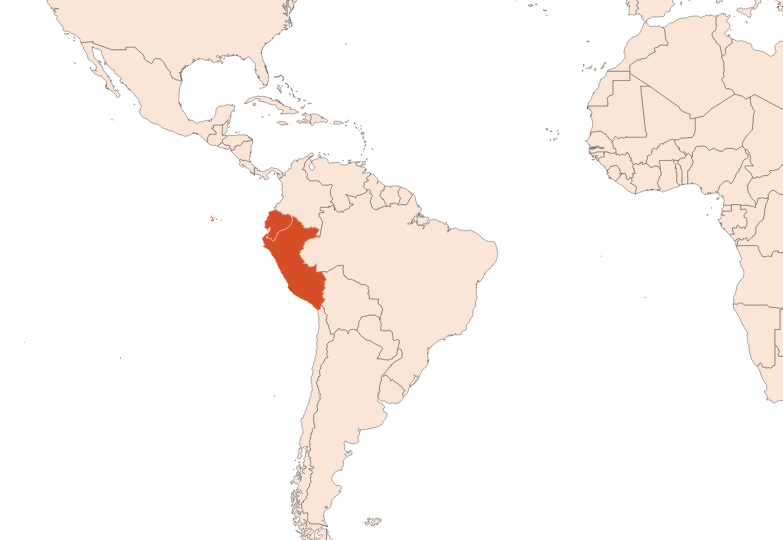
Photo credits: ScenTree SAS
Other comments :
This raw material is very rarely used: it is one of the most expensive materials of perfumery.
Natural Ambrettolide can be extracted from this raw material, as from Angelica Root EO.
This raw material is very rarely used: it is one of the most expensive materials of perfumery.
Natural Ambrettolide can be extracted from this raw material, as from Angelica Root EO.
Labelling
Allergens :
This ingredient does not contain any allergen.
Signal word :
Warning
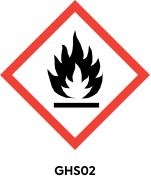
Hazard pictograms :
Precautionary statements :
| HAZARD | PRECAUTION |
|---|---|
| H226 Flammable liquid and vapour. |
IFRA
IFRA 51th :
This ingredient is restricted by the 51th amendment
Annexe I :
Some regulated synthetic ingredients are found in nature and in certain proportions in natural ingredients. This presence in nature has to be taken into account when calculating limits of use recommended by the IFRA. In case you do not know these concentrations, you can use the ones estimated by the IFRA. Here they are :
| List of regulated compounds contained in this ingredient | ||
|---|---|---|
| Regulated ingredient name | CAS N° | Estimated Concentration |
| Farnesol | 4602-84-0 | 5 |
| Farnesol | 4602-84-0 | 3 |
| Farnesol | 4602-84-0 | 0,2 |
| Farnesal | 19317-11-4 | 0,5 |
| Farnesal | 19317-11-4 | 0,2 |
Disclaimer :
ScenTree is solely responsible for the information provided here.
To learn more about IFRA's standards : https://ifrafragrance.org/safe-use/library