










Tuberose absolute
Floral > White Flowers > Salicylic > Animalic > Honeyed
Agave amica (Medik.) Thiede & Govaerts
Synonyms : Polianthes tuberosa L. // Tuberosa amica Medik.


| Company | Ingredient Name | Learn more | Naturality | Certifications | MOQ | Latin name | Treated part | Origin |
|---|---|---|---|---|---|---|---|---|

|
TUBEREUSE
F2960
|
Discover | Absolue |

|
- | Polianthes tuberosa L. | Fleur | Inde |
|
TUBEROSE ABS
TUBABS-2
|
Discover | Naturel | 10 grs | - | - | - | |

|
Absolue de Tubéreuse - 30 Gr | Discover | - | 30grs | - | - | - | |

|
TUBEROSE ABSOLUTE
4410000023
|
Discover | Naturel | - | - | - | - | |

|
Tuberose Absolute | Discover | Absolutes, Extracts, Oleoresins, Vegetable Oils | - | - | - | - |
F2960

TUBABS-2
4410000023

General Presentation
-
CAS N° :
8024-05-3 // 94334-35-7 -
EINECS number :
305-108-4 -
FEMA number :
Donnée indisponible.
-
Volatility :
Heart/Base -
Price Range :
€€€€€
Physico-chemical properties
-
Appearance :
Yellow liquid -
Density :
0,955 - 0,985 @20°C 1,075 - 1,085 @25°C -
Refractive Index @20°C :
Donnée indisponible. -
Optical rotation :
-
Vapor pressure :
Donnée indisponible. -
Flash Point :
94°C (201,2°F) -
Acid Value :
Botanical informations
Botanical name :
Agave amica (Medik.) Thiede & Govaerts
Synonyms : Polianthes tuberosa L. // Tuberosa amica Medik.
Botanical profile :
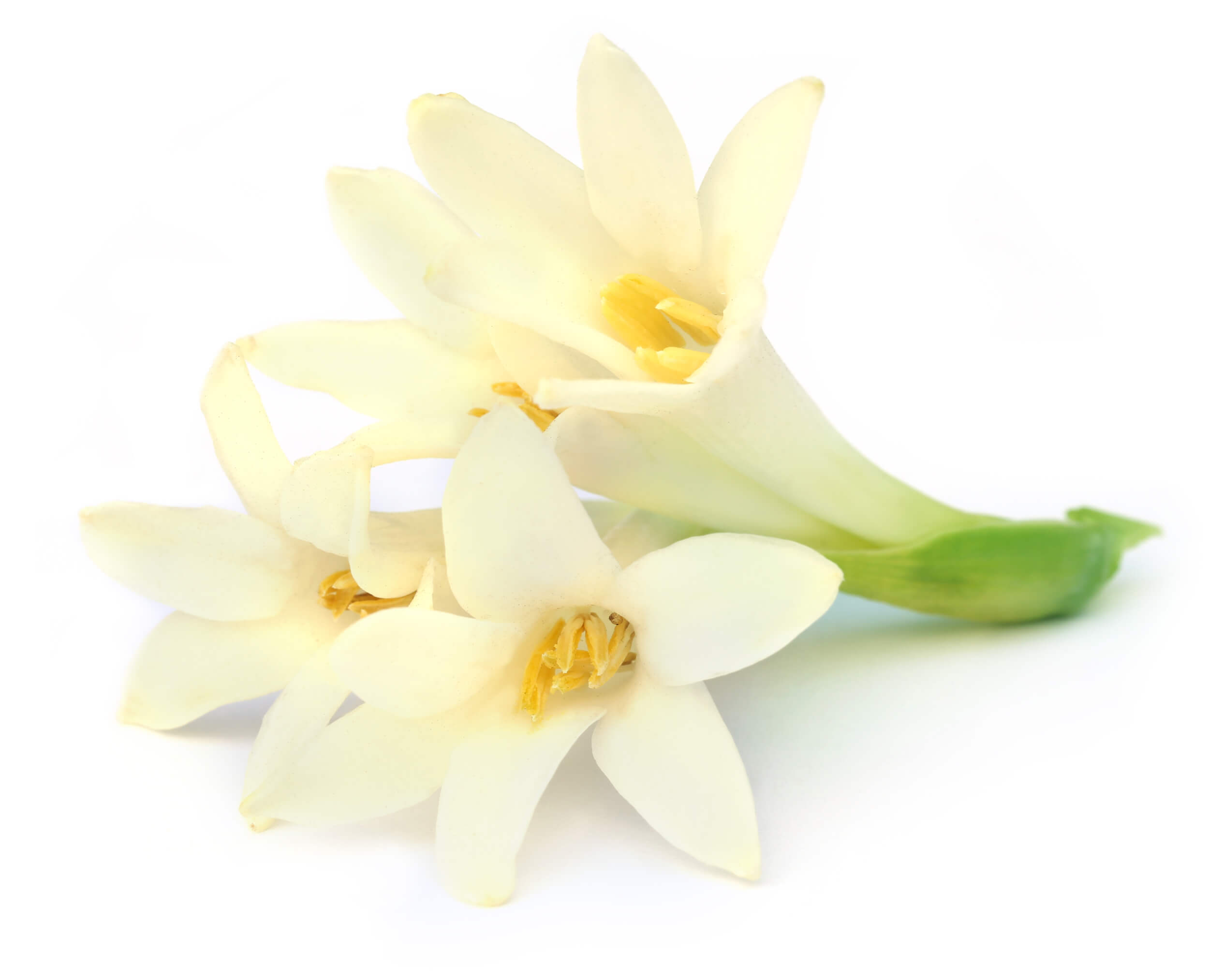
Tuberose is a flower of the Asparagaceae family and the genus Agave L.
Chemotypes :
The genus Agave L. includes close to 450 species. Among them, Agave amica (Medik.) Thiede & Govaerts is the tuberose species grown for perfumery purposes.
In addition, there are four varieties of tuberose cultivable. We distinguish simple flowers (containing a single row of petals), semi-double flowers (containing two to three rows of petals), double flowers (containing more than three rows of petals) and various flowers (plants containing all types of flowers). The most used variety for perfumery is the simple flower, because it is the most fragrant.
Extractions & Uses
Extraction process :
In India, the cultivation of the tuberose reaches 12,000 hectares. For an optimal development, the flower needs a rather warm climate, at an 86 °F on average. In addition, the use of nitrogen and phosphorus fertilizers is common for tuberose cultivation. In India, the planting of the tuberose takes place from February to May depending on the regions. Also the plants are spaced by a few tens of centimetres. Often a plantation survives for one to three years.
The flowers are picked by hand from July to November. They are collected in bamboo baskets and taken to the factory. There, the baskets are weighed and the flowers are extracted with volatile solvent in an extraction tank for 30 to 60 minutes. An extraction with hexane gives a concrete, after removing the flowers and evaporating the solvent. The absolute is obtained by diluting this concrete in alcohol after a glazing at 32 °F to precipitate the waxes. The overall extraction yield is between 0.12 and 0.18% for the concrete and 20% for the absolute.
These low yields explain the cost of this raw material. On one hectare of land, about 5 million flowers are picked. The extraction yield is better the first two years of cultivation and deteriorates during the third year.
Uses in perfumery :
Used in women's fragrances for floral, chypre and amber notes.
Stability :
Solubility issues in perfumes
The esters identified in this raw material can form their corresponding acid in stability tests
Major Components :
- Methyl Isoeugenol (15 - 20%)
- Ethyl palmitate (10 - 15%)
- Methyl benzoate (≈9%)
- Benzyl benzoate (≈8%)
- Methyl anthranilate (≈4%)
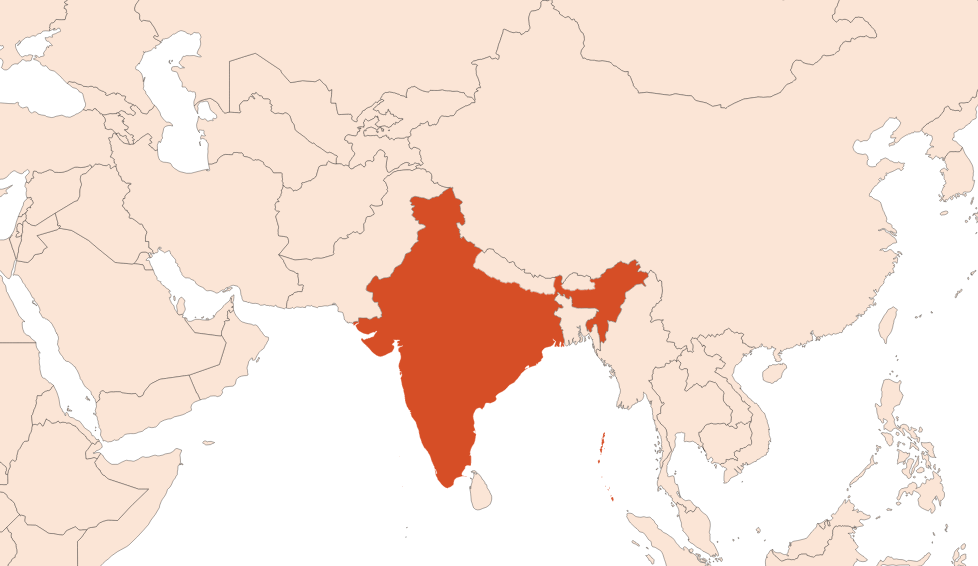
Photo credits: ScenTree SAS
Other comments :
Many insects and diseases can affect a tuberose plant. For example, mites feed on leaves and stems and several diseases caused by Botyris elliptica among others can cause damage to the leaves of the plant. Insecticides exist to preserve the plants.
Many insects and diseases can affect a tuberose plant. For example, mites feed on leaves and stems and several diseases caused by Botyris elliptica among others can cause damage to the leaves of the plant. Insecticides exist to preserve the plants.
Labelling
Allergens :
Signal word :
Warning
Hazard pictograms :
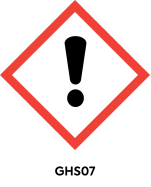
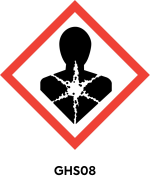
Precautionary statements :
| HAZARD | PRECAUTION |
|---|---|
| H317 May cause an allergic skin reaction.
H412 Harmful to aquatic life with long lasting effects. |
P261 Avoid breathing dust/fume/gas/mist/vapours/spray. P272 Contaminated work clothing should not be allowed out of the workplace. P273 Avoid release to the environment. P302 + P352 IF ON SKIN: Wash with plenty of water/… P333 + P313 If skin irritation or rash occurs: Get medical advice/attention. P391 Collect spillage. |
IFRA
IFRA 51th :
This ingredient is restricted by the 51th amendment
Annexe I :
Some regulated synthetic ingredients are found in nature and in certain proportions in natural ingredients. This presence in nature has to be taken into account when calculating limits of use recommended by the IFRA. In case you do not know these concentrations, you can use the ones estimated by the IFRA. Here they are :
| List of regulated compounds contained in this ingredient | ||
|---|---|---|
| Regulated ingredient name | CAS N° | Estimated Concentration |
| Eugenol | 97-53-0 | 0,5 |
| Eugenol | 97-53-0 | 0,48 |
| Geraniol | 106-24-1 | 0,1 |
| Geraniol | 106-24-1 | 0,1 |
| Isoeugenol | 97-54-1 | 1,5 |
| Isoeugenol | 97-54-1 | 1,5 |
| Methyl eugenol | 93-15-2 | 1,8 |
| Methyl eugenol | 93-15-2 | 1,07 |
| Benzyl salicylate | 118-58-1 | 3,6 |
| Benzyl salicylate | 118-58-1 | 2,1 |
| Benzyl benzoate | 120-51-4 | 5,5 |
| Benzyl benzoate | 120-51-4 | 0,72 |
| Farnesol | 4602-84-0 | 0,3 |
| Farnesol | 4602-84-0 | 0,3 |
| Benzyl alcohol | 100-51-6 | 0,5 |
| Benzyl alcohol | 100-51-6 | 0,5 |
| Benzyl cyanide | 140-29-4 | 0,8 |
| Benzyl cyanide | 140-29-4 | 0,17 |
Disclaimer :
ScenTree is solely responsible for the information provided here.
To learn more about IFRA's standards : https://ifrafragrance.org/safe-use/library