














Allspice oil
Spicy > Warm Spices > Eugenol > Metallic > Terpenic
Pimenta dioica (L.) Merr.
Synonyms : Myrtus dioica L. // Caryophyllus pimenta (L.) Mill.


General Presentation
-
CAS N° :
8006-77-7 -
EINECS number :
284-540-4 -
FEMA number :
2018
-
Volatility :
Heart -
Price Range :
€€€
Physico-chemical properties
-
Appearance :
Colorless liquid -
Density :
1,036 - 1,053 @20°C -
Refractive Index @20°C :
1,531 - 1,536 @20°C -
Optical rotation :
-2° // +1° -
Vapor pressure :
Donnée indisponible. -
Flash Point :
94°C (201,2°F) -
Acid Value :
Botanical informations
Botanical name :
Pimenta dioica (L.) Merr.
Synonyms : Myrtus dioica L. // Caryophyllus pimenta (L.) Mill.
Botanical profile :
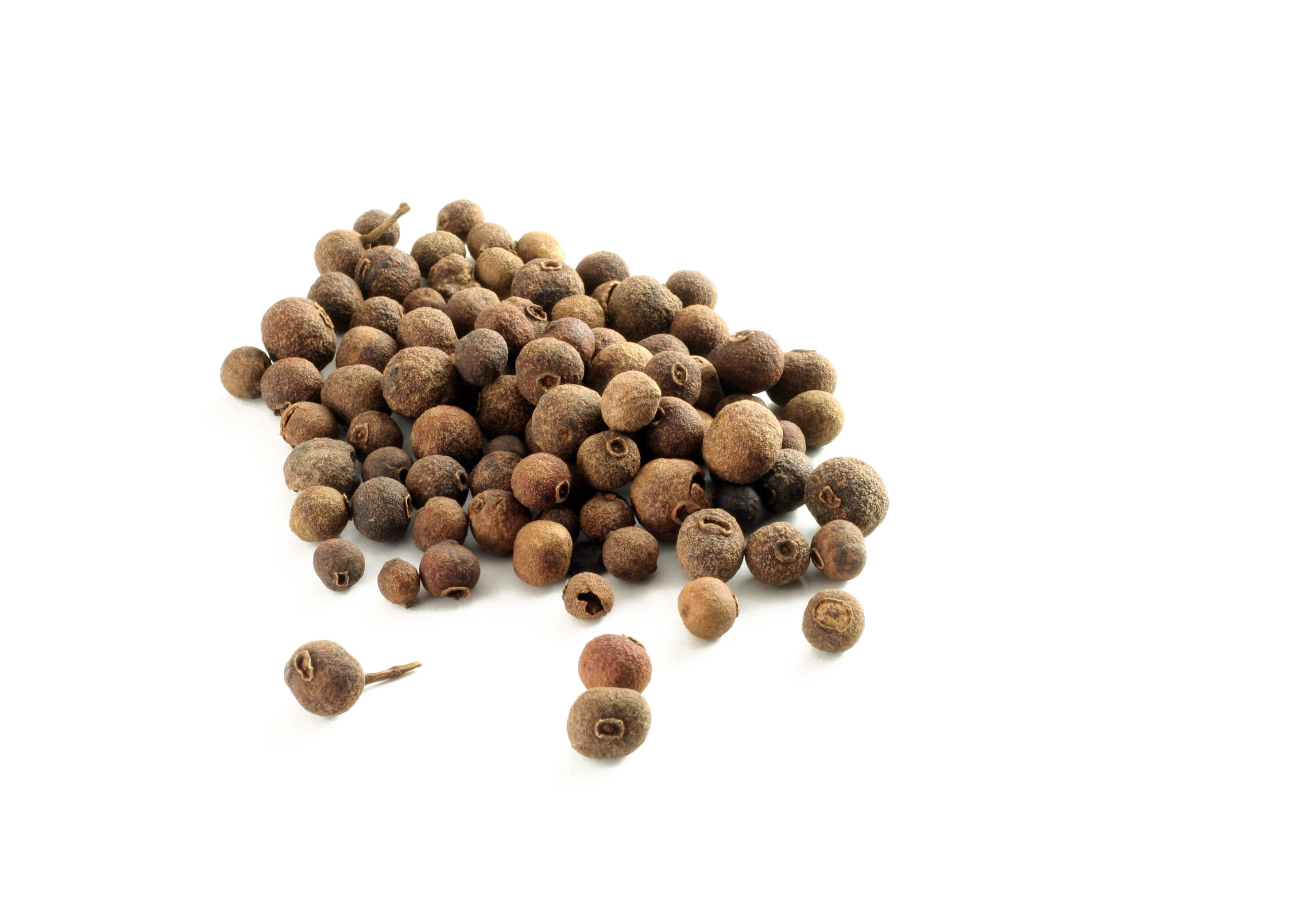
Also known as allspice, this berry is the fruit of an evergreen tree belonging to the Myrtaceae family and the genus Pimenta Lindl.
Eucalyptus, myrtle, peppers, as well as cloves and tea tree, all belong to the Myrtaceae family.
Chemotypes :
In perfumery, two species are primarily used among the 27 identified within the genus Pimenta Lindl.:
- Pimenta racemosa (Mill.) J.W.Moore — Bay St Thomas oil
- Pimenta dioica (L.) Merr. — Allspice oil
Several varieties of Pimenta racemosa are recognized, including:
var. grisea
var. hispaniolensis
var. ozua
var. racemosa
var. terebinthina
More rarely, you may encounter:
Pimenta pseudocaryophyllus (Gomes) Landrum, cultivated in South America
Pimenta guatemalensis (Lundell) Lundell, native to Guatemala.
Extractions & Uses
Extraction process :
Allspice, or Jamaican pepper, is the fruit of a tree that is always green. Its leaves, which look like bay leaves, are fragrant and the berries are even more. The propagation of a crop is done by sowing seeds. The older trees are the ones who give the most fruit and they are used to harvest the seeds. It takes 18 to 20 years for a tree to be at its best crop yield. After ten years, 10 kg of berries can be extracted from a tree each year. The trees are cultivated every three years.
From August to October, growers climb the trees to break the branches with their hands. Using an iron ax would actually make the iron react with the tannic acid present in the branches of the tree. An infection like this would kill the tree in two years. Once on the ground, the branches are beaten to make the berries fall. The berries, still green to optimize the extraction yield, are sun-dried for four to ten days, after a possible bath in boiling water (a habit in Guatemala). Drying is sometimes done mechanically to reach a dark brown colour. Then, the berries are crushed and extracted by steam distillation. The essential oil is collected by decantation at the refrigerant outlet.
The yield of the essential oil varies from 3 to 4.5%. Moreover, extraction with a volatile solvent or with supercritical CO2 can be carried out on the berries to obtain an extract with a different composition. Finally, the leaf of the tree can be extracted with a relatively similar yield and composition.
Uses in perfumery :
Used in spicy, floral-carnation, rose, tuberose, oregano and woody notes.
Stability :
Aromatic compounds can be chromophoric and cause a coloration of the oil, especially in alkaline bases
Major Components :
| Component | % min | % max |
|---|---|---|
| Eugenol | 42 | 56 |
| Myrcene | 20 | 30 |
| Chavicol | 8 | 13 |
| D-Limonene | 1 | 4 |
| Linalool | 1 | 3 |
| Methyleugenol | 0.10 | 2 |
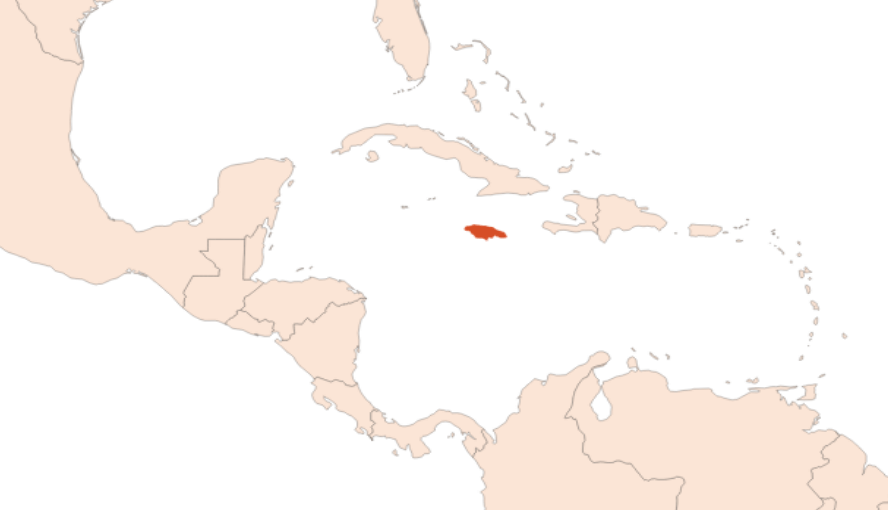
Photo credits: ScenTree SAS
Other comments :
The smell of the bay is close to Clove Bud EO, Cinnamon leaf EO, Nutmeg EO and pepper black EO, and for this reason it is called "allspice".
The Latin name Pimenta is derived from the spanish "Pimiento", used to name the black pepper, and the term dioica (meaning two habitats in greek) means that the male and female flowers of the plant grow on different plants.
The tree was discovered at the same time as the American continent, during the conquest of Christopher Columbus. It was brought back to England where a culture was made until the Second World War, during which the trees were cut.
Jamaica is the main exporter of this spice, to the USA, Germany and the United Kingdom in majority, occupying 70% of the market share.
Several diseases can affect the leaves of the tree, as well as pests of many types, which can affect the crops and reduce the production.
The quality of the Allspice essential oil is checked according to the standards dictated by the Food and Drug Administration Defect Action Levels (FDADAL), by the American Spice Trade Association (ASTA) and the European Spice Association (ESA). Nevertheless, the essential oil can be adulterated with Clove Bud EO or Myrtus tabasco essential oil, which is less expensive. For the same reasons, there are also additions of essential oil from the tree leaves or Eugenol.
The smell of the bay is close to Clove Bud EO, Cinnamon leaf EO, Nutmeg EO and pepper black EO, and for this reason it is called "allspice".
The Latin name Pimenta is derived from the spanish "Pimiento", used to name the black pepper, and the term dioica (meaning two habitats in greek) means that the male and female flowers of the plant grow on different plants.
The tree was discovered at the same time as the American continent, during the conquest of Christopher Columbus. It was brought back to England where a culture was made until the Second World War, during which the trees were cut.
Jamaica is the main exporter of this spice, to the USA, Germany and the United Kingdom in majority, occupying 70% of the market share.
Several diseases can affect the leaves of the tree, as well as pests of many types, which can affect the crops and reduce the production.
The quality of the Allspice essential oil is checked according to the standards dictated by the Food and Drug Administration Defect Action Levels (FDADAL), by the American Spice Trade Association (ASTA) and the European Spice Association (ESA). Nevertheless, the essential oil can be adulterated with Clove Bud EO or Myrtus tabasco essential oil, which is less expensive. For the same reasons, there are also additions of essential oil from the tree leaves or Eugenol.
Labelling
Allergens :
Signal word :
Warning
Hazard pictograms :
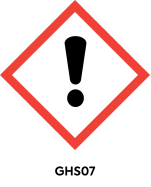
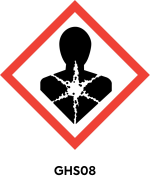
Precautionary statements :
| HAZARD | PRECAUTION |
|---|---|
| H317 May cause an allergic skin reaction.
H319 Causes serious eye irritation. H341 Suspected of causing genetic defects. H351 Suspected of causing cancer. |
P201 Obtain special instructions before use. P202 Do not handle until all safety precautions have been read and understood. P261 Avoid breathing dust/fume/gas/mist/vapours/spray. P264 Wash ... thoroughly after handling. P272 Contaminated work clothing should not be allowed out of the workplace. P280 Wear protective gloves/protective clothing/eye protection/face protection. P281 Use personal protective equipment as required. P302 + P352 IF ON SKIN: Wash with plenty of water/… P305 + P351 + P338 IF IN EYES: Rinse cautiously with water for several minutes. Remove contact lenses, if present and easy to do. Continue rinsing. P321 Specific treatment (see ... on this label). P308 + P313 IF exposed or concerned: Get medical advice/attention. P333 + P313 If skin irritation or rash occurs: Get medical advice/attention. P337 + P313 If eye irritation persists: Get medical advice/attention. P363 Wash contaminated clothing before reuse. P405 Store locked up. P501 Dispose of contents/container to… |
IFRA
IFRA 51th :
This ingredient is not restricted for the 51th amendment