




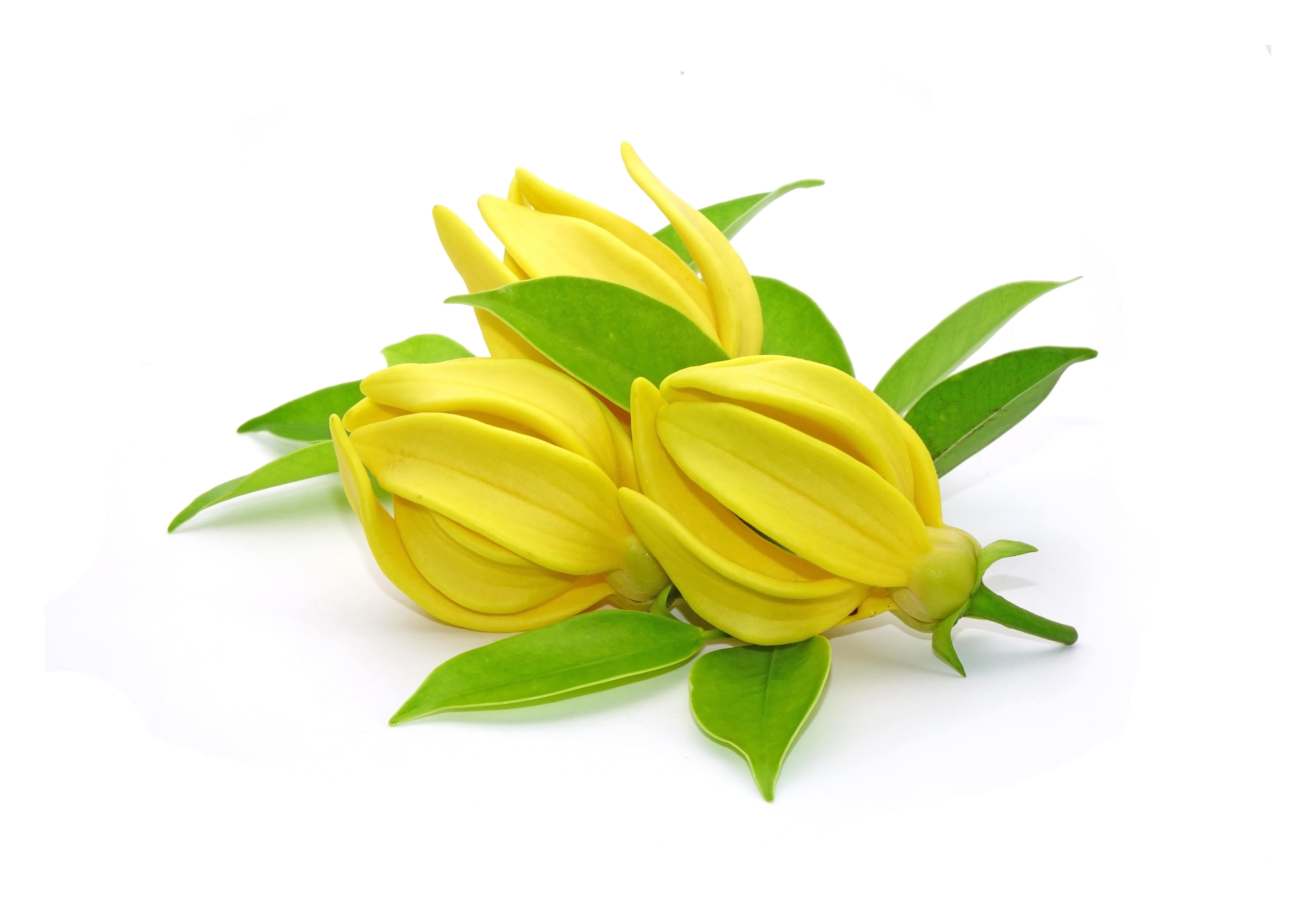
Ylang ylang absolute
Floral > White Flowers > Solar > Benzyl > Yellow Fruits
Cananga odorata (Lam.) Hook.f. & Thomson
Synonyms : Unona odorata (Lam.) Baill. // Cananga odoratum (Lam.) Baill.


| Company | Ingredient Name | Learn more | Naturality | Certifications | MOQ | Latin name | Treated part | Origin |
|---|---|---|---|---|---|---|---|---|
|
YLANG
P00554161000
|
Discover | Absolue | - | Cananga odorata (Lam.) Hook.f. & Thomson | Fleur | Madagascar |
P00554161000


General Presentation
-
CAS N° :
8006-81-3 -
EINECS number :
83863-30-3 -
FEMA number :
3119
-
Volatility :
Heart -
Price Range :
€€€€
Physico-chemical properties
-
Appearance :
Green liquid -
Density :
-
Refractive Index @20°C :
Donnée indisponible. -
Optical rotation :
-
Vapor pressure :
Donnée indisponible. -
Flash Point :
Donnée indisponible. -
Acid Value :
Botanical informations
Botanical name :
Cananga odorata (Lam.) Hook.f. & Thomson
Synonyms : Unona odorata (Lam.) Baill. // Cananga odoratum (Lam.) Baill.
Botanical profile :
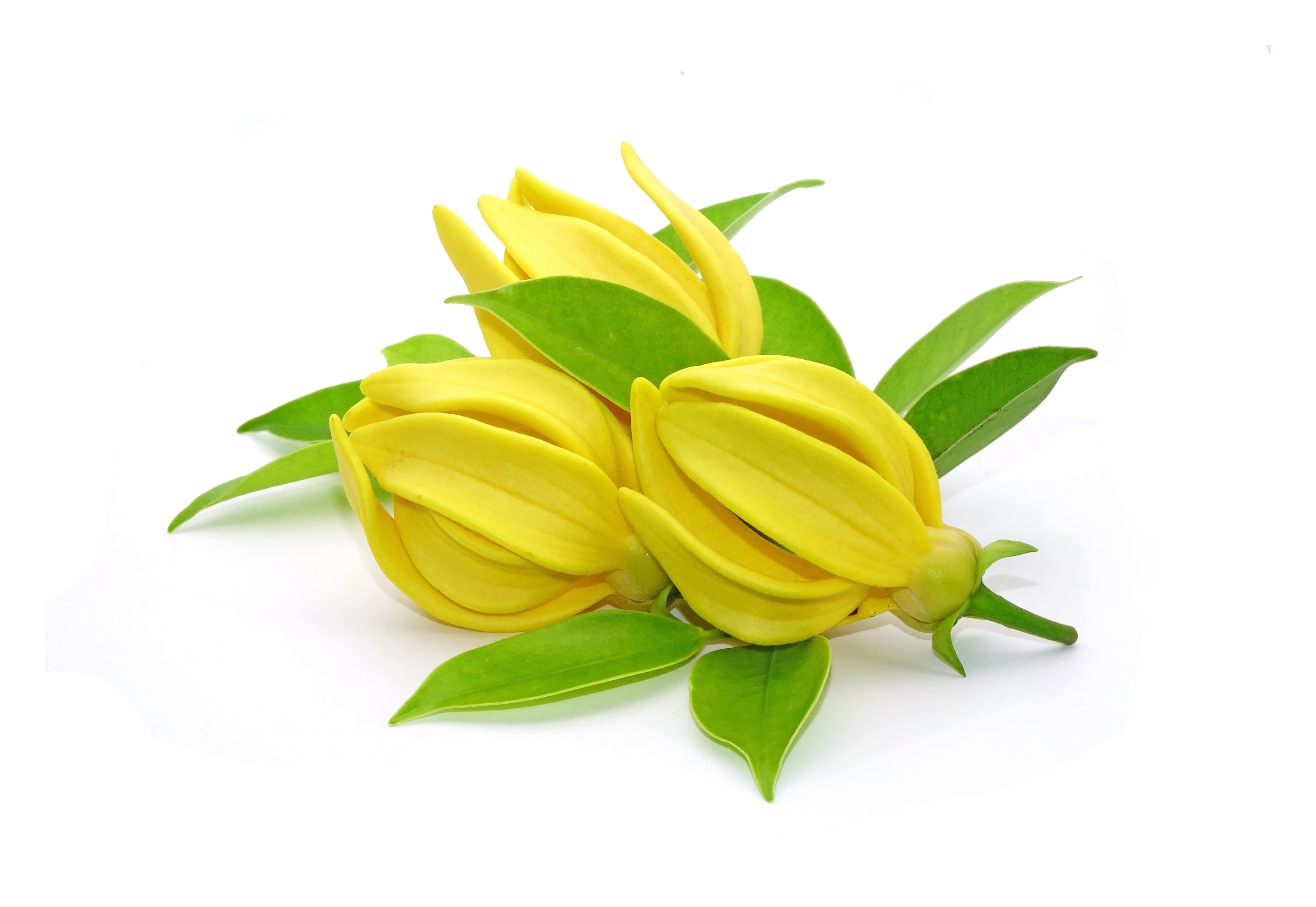
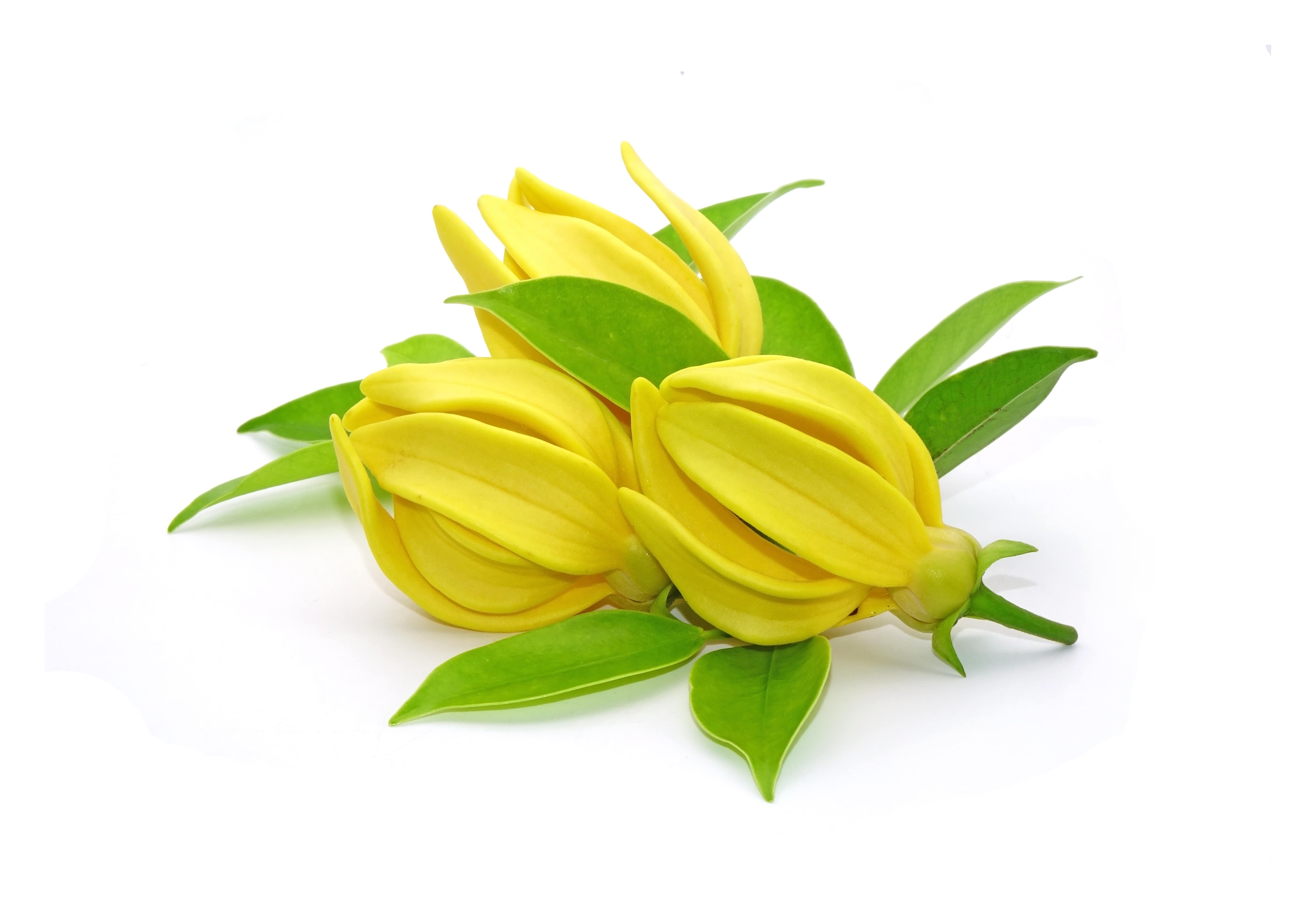
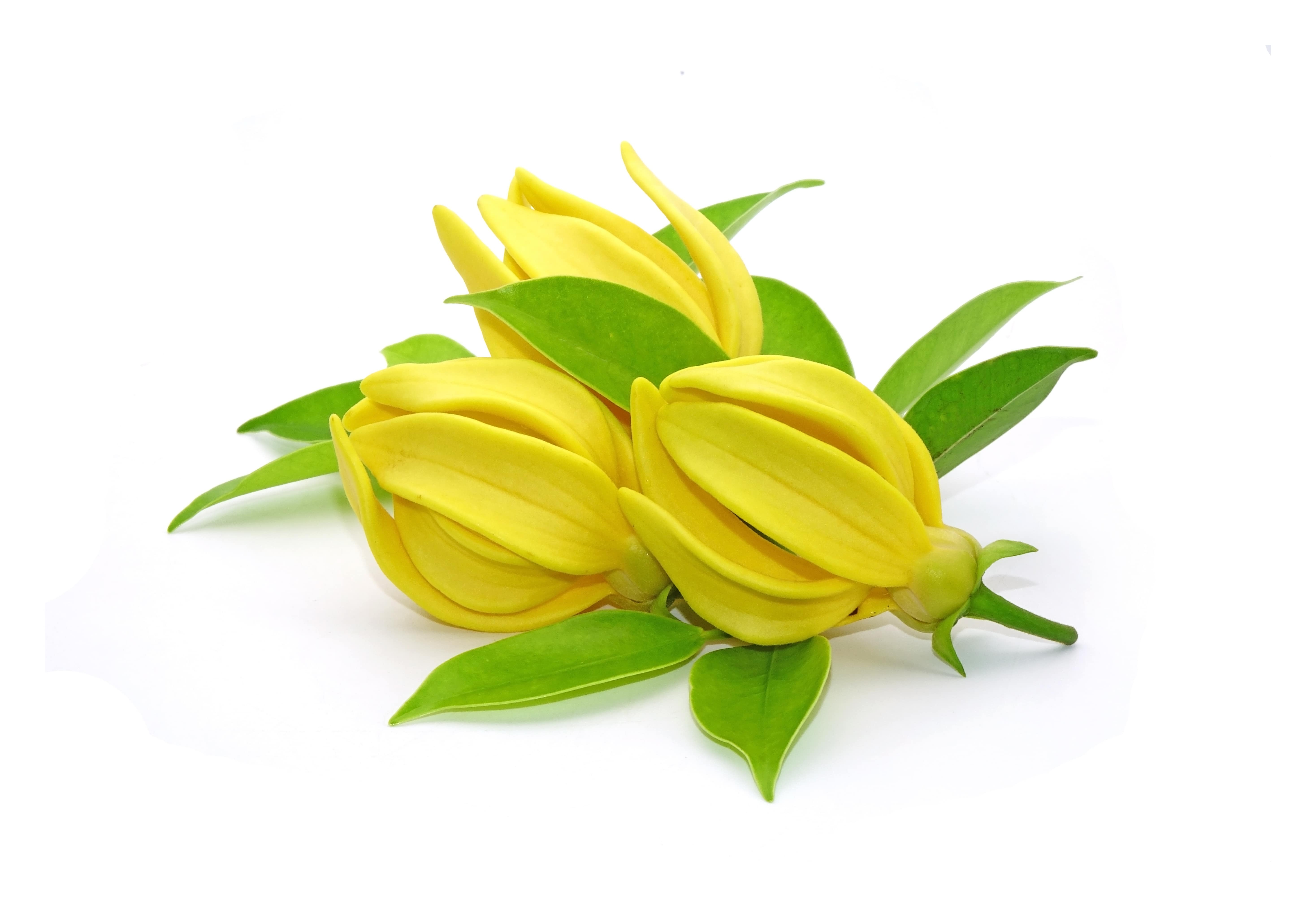
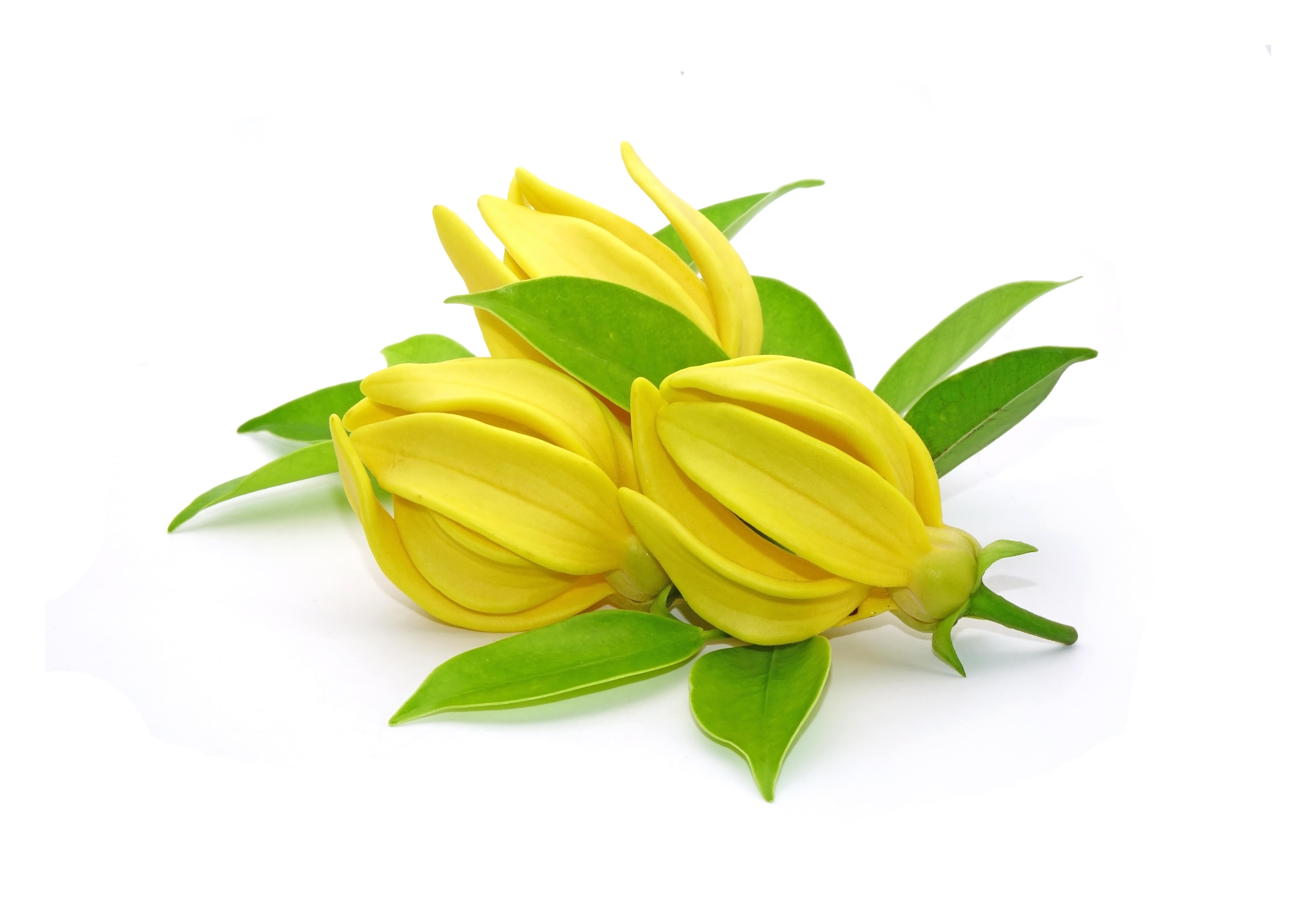
The ylang-ylang is the flower of a tree of the Annonaceae family and the genus Cananga (DC.) Hook.f. & Thomson.
Chemotypes :
The Cananga (Dunal) Hook.f. & Thomson genus only groups 2 species:
- Cananga odorata (Lam.) Hook.f. & Thomson : The Ylang-ylang we perfectly know in perfumery
- Cananga brandisiana (Pierre) I.M.Turner: Native from Singapour
Finally, there are four main "false ylang" that also belongs to the Annonaceae family :
The Harachampala (Artabotrys Hexapetalus), grown in India and Sri Lanka. The grains of selim, a Guinean and Ethiopian pepper (Xylopia aethiopica), whose flowers give an essential oil with Eucalyptol.
The Monkey pepper (Xylopia aromatica).
The Monodora citriodora which provides a Citral essential oil.
Extractions & Uses
Extraction process :
The Canaga odorata is a tree that can measure 20 to 30 meters in height. To facilitate the harvest of the flowers, the trees are topped at two meters height throughout their life. In addition, each branch, called "epicormic shoot", is cut to stress the tree so it produces a maximum of flowers to ensure the sustainability of it specie. The branches fall back to the ground, and flowers are found under the leaves. Green at first, then yellow when ripe.
The ylang-ylang flower is cultivated all year long in a tropical or sub-tropical climate (flowering is more abundant from November to April). At maturity, the base of the flowers turns red. The harvest is done in the morning, from 5am to 8am, to prevent the evaporation of the aromatic molecules of the flower during the day. The harvest is done manually by women and the flowers are collected in baskets (5 kg of flowers per hour, knowing that a flower weighs no more than two grams!) and weighed at the factory.
During the same day, the flowers are subjected to a steam distillation. This means that the most volatile molecules are collected in the very first fraction called "Extra", followed by fraction I, II and III. The flower can also be totally distilled in a single fraction, called "complete essential oil".
The extraction of ylang-ylang often turns around 2%, regardless of its fractionation. An adult tree can produce 10 to 20 kg of flowers per year.
It is finally possible to extract the flowers with a volatile solvent, to obtain a concrete and an absolute. No fractionation is possible with this process.
Ylang-ylang essential oils can be rectified by distillation to remove insoluble compounds.
From the same botanical variety
Uses in perfumery :
Data not available.
Stability :
Solubility issues in perfumes
The esters identified in this raw material can form their corresponding acid in stability tests
The terpenes identified in this raw material can polymerize when they are oxidized
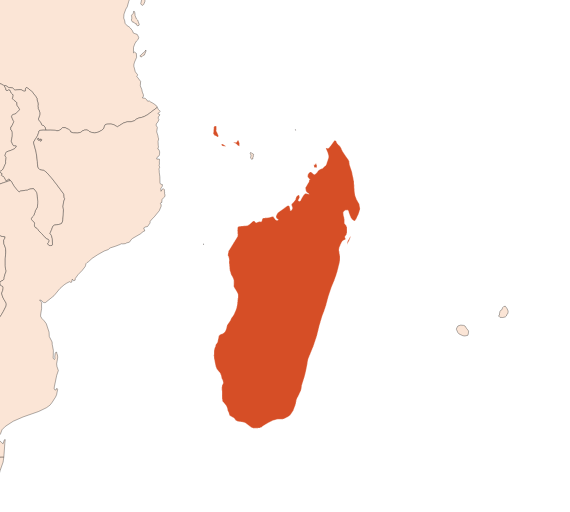
Photo credits: ScenTree SAS
Other comments :
Extra means that it is the first fraction of the flower water distillation, before Ylang I, II and III. The Extra and I qualities are the most used in fine perfumery. The density increases according to the quality of the fractions, from III to Extra, in inverse order to the volatility. The quality of the first fractions are of a higher quality, as the most volatile molecules are included in these fractions. The price also depends on this quality. The complete essential oil is used more often in aromatherapy than in perfumery.
The Extra fraction is less ethereal and has less potent facets but it is more fruity, close to banana, than fraction I.
The term "ylang-ylang" comes from the Malaysian "alang-ilang", which means "flowers floating in the breeze".
Adulteration of Ylang-Ylang EO can be made with the cananga EO, which is less expensive and has a lower quality.
Data not available.
Labelling
Allergens :
This ingredient is classified as an allergen under European Regulation 2023/1545, dated August 26, 2023.
Its presence must therefore be declared on product labels when it exceeds 0.001% in leave-on products and 0.01% in rinse-off products.
Signal word :
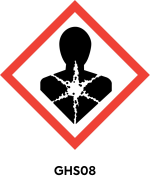
Danger
Hazard pictograms :

Precautionary statements :
| HAZARD | PRECAUTION |
|---|---|
| H304 May be fatal if swallowed and enters airways.
H315 Causes skin irritation. H317 May cause an allergic skin reaction. H412 Harmful to aquatic life with long lasting effects. |
IFRA
IFRA 51th :
This ingredient is restricted by the 51th amendment
-
Restriction type :
RESTRICTION -
Cause of restriction :
DERMAL SENSITIZATION -
Amendment :
49
Quantitative limit on the use :
| Cat.1 | Cat.2 | Cat.3 | Cat.4 |
Cat.5
A
B
C
D
|
Cat.6 | |||
|---|---|---|---|---|---|---|---|---|
| 0,13 % | 0,039 % | 0,78 % | 0,73 % |
0,18 %
0,18 %
0,18 %
0,18 %
|
||||
|
Cat.5
A
B
C
D
|
Cat.6 | |||||||
|
0,18 %
0,18 %
0,18 %
0,18 %
|
0,43 % | |||||||
|
Cat.7
A
B
|
Cat.8 | Cat.9 |
Cat.10
A
B
|
Cat.11
A
B
|
Cat.12 | |||
|
1,5 %
1,5 %
|
0,077 % | 1,4 % |
5,1 %
5,1 %
|
2,8 %
2,8 %
|
||||
|
Cat.10
A
B
|
Cat.11
A
B
|
Cat.12 | ||||||
|
5,1 %
5,1 %
|
2,8 %
2,8 %
|
No Restriction | ||||||
Annexe I :
Some regulated synthetic ingredients are found in nature and in certain proportions in natural ingredients. This presence in nature has to be taken into account when calculating limits of use recommended by the IFRA. In case you do not know these concentrations, you can use the ones estimated by the IFRA. Here they are :
| List of regulated compounds contained in this ingredient | ||
|---|---|---|
| Regulated ingredient name | CAS N° | Estimated Concentration |
| Cinnamic alcohol | 104-54-1 | 0,01 |
| Cinnamic alcohol | 104-54-1 | 0,02 |
| Cinnamic alcohol | 104-54-1 | 0,02 |
| Benzyl cinnamate | 103-41-3 | 0,03 |
| Benzyl cinnamate | 103-41-3 | 0,02 |
| Citral | 5392-40-5 | 0,12 |
| Citral | 5392-40-5 | 0,09 |
| Citral | 5392-40-5 | 0,02 |
| Citral | 5392-40-5 | 0,01 |
| Eugenol | 97-53-0 | 0,58 |
| Eugenol | 97-53-0 | 0,69 |
| Eugenol | 97-53-0 | 0,45 |
| Eugenol | 97-53-0 | 0,31 |
| Eugenol | 97-53-0 | 0,34 |
| Geraniol | 106-24-1 | 1,38 |
| Geraniol | 106-24-1 | 1,43 |
| Geraniol | 106-24-1 | 0,32 |
| Geraniol | 106-24-1 | 0,67 |
| Geraniol | 106-24-1 | 0,64 |
| Isoeugenol | 97-54-1 | 0,51 |
| Isoeugenol | 97-54-1 | 0,24 |
| Isoeugenol | 97-54-1 | 0,54 |
| Isoeugenol | 97-54-1 | 0,52 |
| Isoeugenol | 97-54-1 | 0,99 |
| Methyl eugenol | 93-15-2 | 0,04 |
| Methyl eugenol | 93-15-2 | 0,03 |
| Methyl eugenol | 93-15-2 | 0,04 |
| Benzyl salicylate | 118-58-1 | 2,58 |
| Benzyl salicylate | 118-58-1 | 2,36 |
| Benzyl salicylate | 118-58-1 | 2,48 |
| Benzyl salicylate | 118-58-1 | 3,11 |
| Benzyl salicylate | 118-58-1 | 3,35 |
| Benzyl benzoate | 120-51-4 | 5,86 |
| Benzyl benzoate | 120-51-4 | 7,81 |
| Benzyl benzoate | 120-51-4 | 6,23 |
| Benzyl benzoate | 120-51-4 | 6,32 |
| Benzyl benzoate | 120-51-4 | 5,73 |
| Farnesol | 4602-84-0 | 1,5 |
| Farnesol | 4602-84-0 | 1,36 |
| Benzyl alcohol | 100-51-6 | 0,09 |
| Benzyl alcohol | 100-51-6 | 0,09 |
| Benzyl alcohol | 100-51-6 | 0,04 |
| Benzyl alcohol | 100-51-6 | 0,25 |
| Benzyl alcohol | 100-51-6 | 0,24 |
| Estragole | 140-67-0 | 0,2 |
| Estragole | 140-67-0 | 0,13 |
| Estragole | 140-67-0 | 0,03 |
| Estragole | 140-67-0 | 0,02 |
| Isoeugenyl acetate | 93-29-8 | 0,07 |
| Isoeugenyl acetate | 93-29-8 | 0,05 |
| Isoeugenyl acetate | 93-29-8 | 0,03 |
| Isoeugenyl acetate | 93-29-8 | 0,12 |
| Isoeugenyl acetate | 93-29-8 | 0,12 |
| Benzyl cyanide | 140-29-4 | 0,05 |
| Benzyl cyanide | 140-29-4 | 0,02 |
| Benzyl cyanide | 140-29-4 | 0,02 |
| Benzyl cyanide | 140-29-4 | 0,02 |
| Cresol (unspecified) | 1319-77-3 | 0,03 |
| Cresol (unspecified) | 1319-77-3 | 0,03 |
| trans-trans-Farnesol | 106-28-5 | 1,82 |
| trans-trans-Farnesol | 106-28-5 | 2,35 |
| trans-trans-Farnesol | 106-28-5 | 1,76 |
Disclaimer :
ScenTree is solely responsible for the information provided here.
To learn more about IFRA's standards : https://ifrafragrance.org/safe-use/library