










Do you sell any of the raw materials? Would you like to let our users know?
Send an email to fournisseurs@scentree.coto learn about our advertising opportunities.
Do you sell any of the raw materials? Would you like to let our users know?
Send an email to fournisseurs@scentree.coto learn about our advertising opportunities.

General Presentation
-
CAS N° :
N/A -
EINECS number :
Donnée indisponible. -
FEMA number :
Donnée indisponible.
-
Volatility :
NON TROUVE_Cœur -
Price Range :
€€€
Physico-chemical properties
-
Appearance :
Colorless liquid -
Density :
0,800 - 0,825 @20°C -
Refractive Index @20°C :
1,350 - 1,380 @20°C -
Optical rotation :
-
Vapor pressure :
Donnée indisponible. -
Flash Point :
Donnée indisponible. -
Acid Value :
Botanical informations
Botanical name :
Murex Linnaeus, 1758
Synonyme : Ungis Odoratus
Botanical profile :
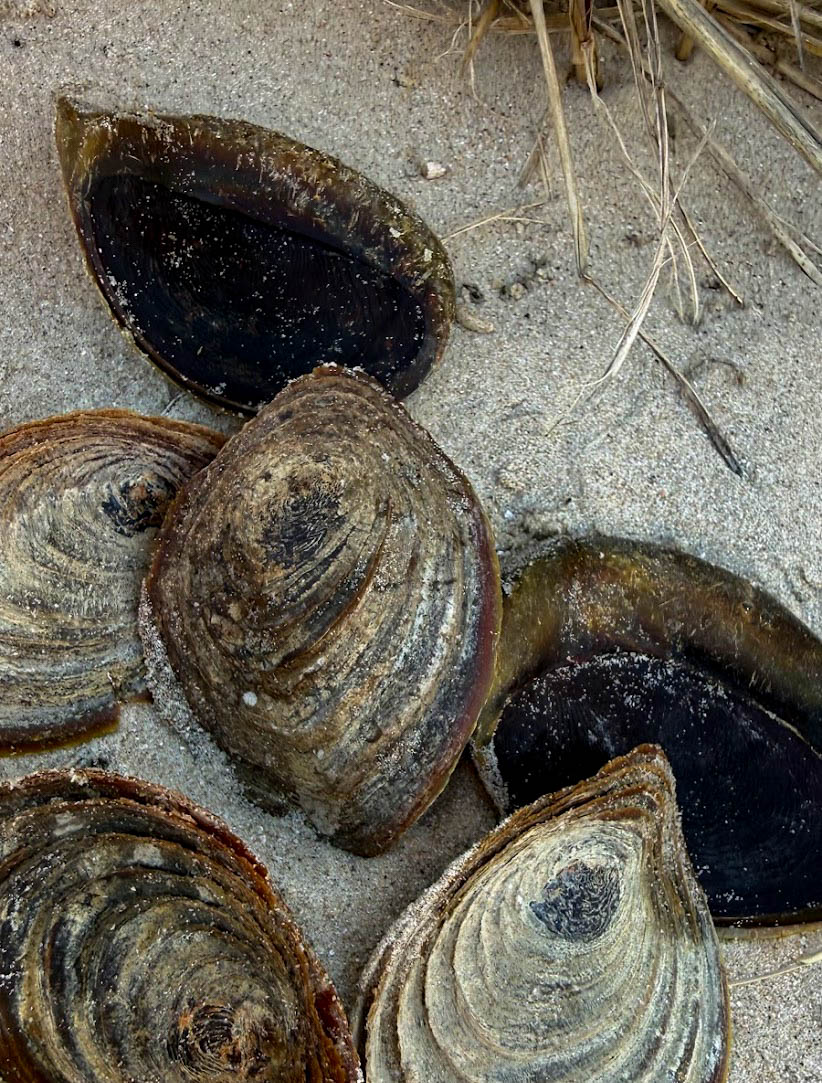
Onycha is the name given to the operculum of a mollusk belonging to the genus Murex and the family Muricidae.
The genus Murex includes around 130 species found worldwide along coastlines, particularly in Southeast Asia, the Middle East, and Latin America.
Chemotypes :
Extractions & Uses
Extraction process :
The operculum of shells from Murex Linnaeus, 1758 are roasted and then infused at 20% in alcohol.
Uses in perfumery :
Onycha is a material with a marine, phenolic, and oceanic smell. It is particularly interesting for marine accords, adding depth to white florals, or bringing nuance to oriental accords. Its use in combination with geosmin enhances its earthy, damp facets while adding volume to the overall composition.
Stability :
Data not available.
Major Components :
- DL-Limonene
- 3,3,5-trimethyl cyclohexanone
- Amberonne
- Hexahydro-pyrrolo[1,2-a]pyrazine-1,4-dione
- Lidocaine
- Palmitic acid
- Linolenic acid
- Incensyl acetate
- 2,2'-Méthylène-bis(4-Méthyl-6-Tert-Butyl-Phénol)
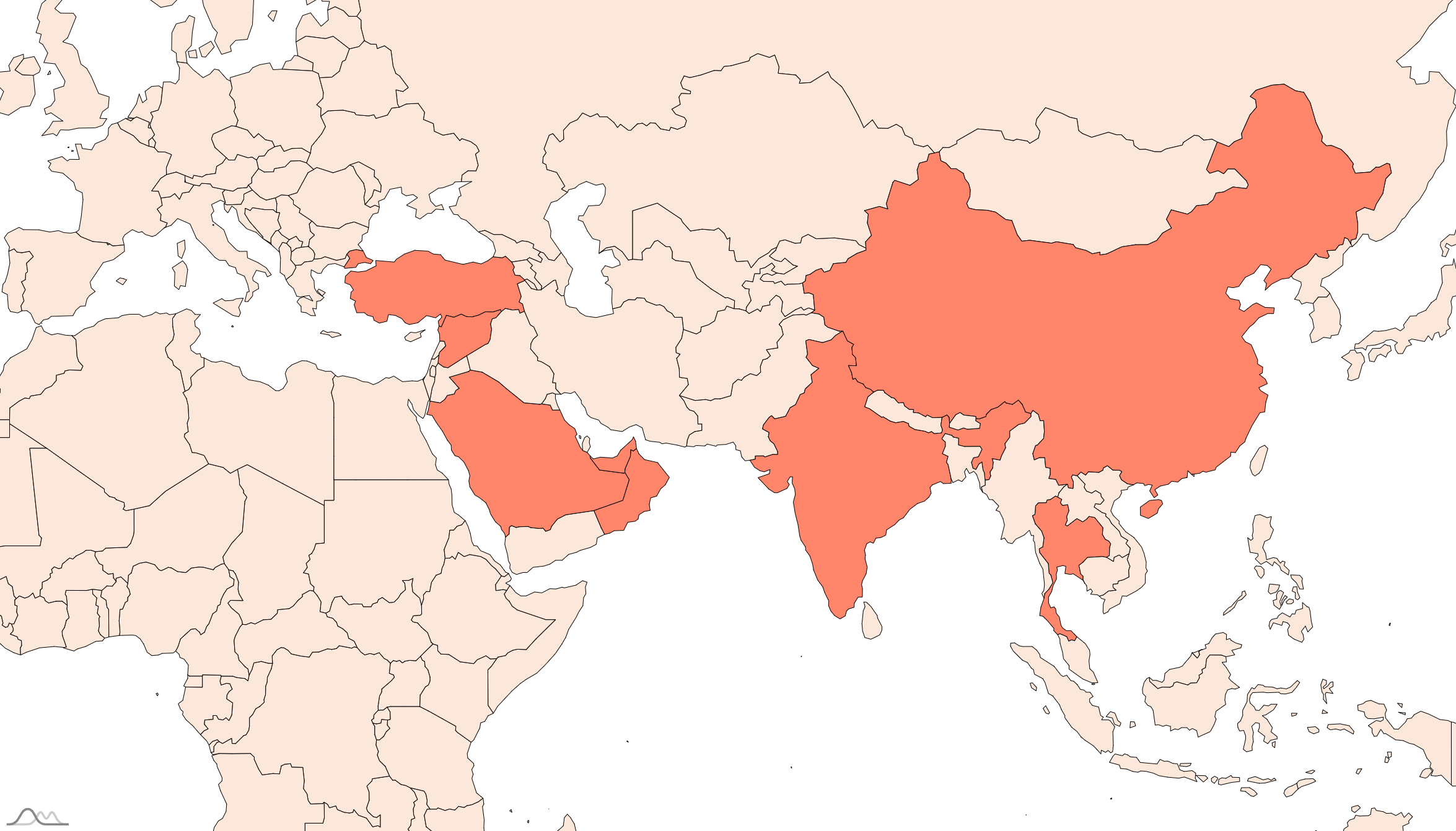
Photo credits: ScenTree SAS
Other comments :
Onycha is one of the oldest fragrance ingredient. Although largely unknown today, it has been used since antiquity, primarily in incense and fumigation practices across many cultures. It notably appears in writings related to the sacred Hebrew incense (Ketoret), but also in ritual traditions in Mesopotamia, Egypt, India, and the Greco-Roman world. Its use is almost always linked to combustion: onycha is heated, roasted, or incorporated into incense blends to produce a dense, persistent, and structuring smoke.
This fumigation serves multiple purposes, including the purification of spaces, religious rituals, spiritual practices, and also bodily uses such as smoke baths where it is associated with fertility rites or preparation for marriage.
In India and in Arab traditions, it is part of complex incense compositions (bakhoor, agarbatti, smoked attars), where it acts as a fixative and amplifier, enhancing other aromatic materials. Despite a raw odor often perceived as animalic and marine, its transformation through heat reveals smoky, leathery, and medicinal notes, which explains its structuring role in fumigation practices.
Labelling
Allergens :
D-Limonene (< 1%)
IFRA
IFRA 51th :
This ingredient is not restricted for the 51th amendment